Table of Contents
Becoming a parent is beautiful, messy, and a little overwhelming. Between sleepless nights, endless feedings, and figuring out who this tiny person is, something as simple as keeping the nursery organized can feel like a big challenge. But here’s the secret: organizing your baby’s clothes doesn’t have to add to the stress. With a little planning, a few clever tricks, and some simple tools that I’ll share along the way, you can create a nursery that feels calm, cozy, and completely functional. Lets dive into Lets dive into when do babies start wearing shoes? — expert-backed tips on timing, comfort, and choosing the right first pair for tiny feet.
One thing that helped me tremendously was using a few simple tools like drawer dividers, clear storage bins, and adjustable closet rods. These aren’t just nice-to-haves; they genuinely make everyday routines so much smoother. I’ll share some of my favorite strategies (and the products that really worked for me) throughout this guide. If you’re just starting out, investing in a few smart organization solutions now will save you time, energy, and even frustration later.
Think of this as a gentle guide from one parent to another. I’ve been in your shoes, staring at piles of onesies and socks that somehow never seem to match, wondering how something so small could take up so much space. With the right system, though, the nursery becomes less about clutter and more about comfort. And when everything has its place, you can focus less on digging through drawers and more on soaking in those sweet newborn snuggles.
Understanding the Right Time for Baby’s First Shoes
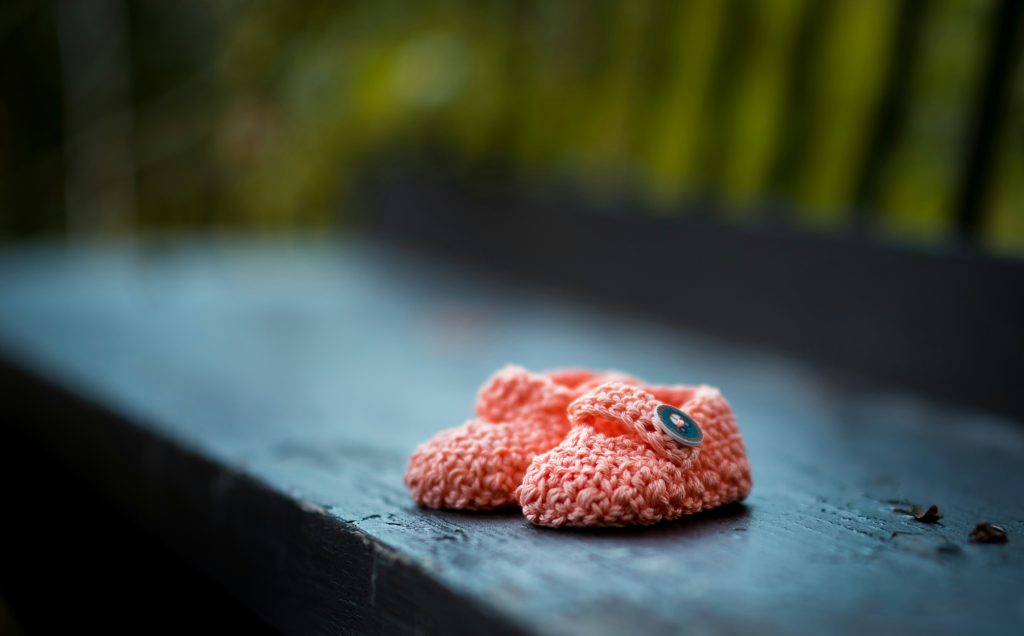
The best time to introduce shoes to your little one’s wardrobe is when they’ve started walking confidently on their own. At this stage, their feet need protection from outdoor elements. But until then, it’s okay and even beneficial to let them go barefoot or wear soft socks to strengthen their feet and improve balance.
Milestones in Baby’s Foot Development
As your baby moves from sitting up to crawling and eventually standing, their little feet are working hard to develop muscles and ligaments that will help them take their first steps. This natural development is essential for your baby’s ability to walk confidently when the time comes.
The Debate: Barefoot Benefits vs. the Need for Shoes
Some parents swear by the benefits of barefoot exploration, and they have a good reason. When babies walk barefoot, they get sensory input from the ground, which helps their brains map out motor skills. Others might worry about protection and turn to soft-soled shoes with rubber grips. These shoes are designed to fit the foot’s natural shape while offering some protection.
The key? When buying shoes for your baby, ensure they have room to wiggle their toes. The longest toe should have a little space to move inside the shoe to promote healthy growth.
Footwear Fundamentals: Pre-Walking Stage
During the pre-walking stage, covering your baby’s feet with soft booties or shoes can provide warmth and protection without restricting their natural movement.
The Case Against Shoes for Non-Walkers
Before your baby learns to walk, they’re in the process of developing crucial foot muscles. While shoes might be cute, placing them on your baby before they’re ready can actually impede this development. Experts recommend avoiding shoes until your baby starts walking to allow them to practice their natural gripping and toe-splaying actions.
Going barefoot, or wearing non-restrictive coverings, helps babies build the strength and coordination they need for those first steps. The tactile feedback they get from the ground is critical for developing balance and confidence, which helps them walk more easily when the time comes.
Selecting the Right Kind of Pre-Walking Shoes
If you do need to protect your baby’s feet before they start walking, look for soft, breathable shoes that mimic the barefoot experience. The best pre-walking shoes are flexible and roomy enough to allow your baby’s feet to move naturally. At this stage, shoes are more of an accessory than a necessity, primarily helping with warmth and protection.
Remember, comfort is key. Choose lightweight, breathable shoes that don’t restrict foot growth. These early shoes should support natural foot movement and not hinder development.
Transitioning to Toddlerhood: When to Introduce Shoes
As babies become toddlers and take more independent steps, it’s time to start thinking about introducing shoes. Once they begin walking confidently, shoes provide protection from outdoor surfaces like hot pavement, rough paths, and even sharp objects.
The key to choosing shoes at this stage is ensuring they support your toddler’s new walking skills without restricting growth. Shoes that are both protective and flexible are a must-have for this busy stage.
Recognizing Readiness for First Shoes
You’ll know it’s time for your baby’s first shoes when they’ve started walking on their own with steady, balanced steps. Once they’re confidently walking outdoors, shoes with more structure and support become important for their safety.
Observing Your Child’s Walking Patterns and Stability
Before investing in your child’s first pair of shoes, observe how they walk. A stable walking pattern with consistent, balanced strides is a good sign that your baby is ready for their first pair of shoes. If they’re still unsure and wobbly, they may not be ready for shoes just yet.
Shopping for Baby’s First Shoes: What to Look For
When you’re shopping for your baby’s first shoes, fit is the most important factor. You’ll want shoes that fit snugly but comfortably, with room for their toes to wiggle and grow. It’s essential that baby shoes are flexible—think of them as supportive, but not restrictive.
Essential Criteria for Choosing Baby’s First Footwear
Many parents think that high-topped shoes are the best way to support a child’s feet. However, modern podiatry specialists recommend flexible, low-top shoes that allow for natural movement. Overly stiff shoes can restrict growth and foot development, so look for shoes that are soft yet protective.
Shoes should be breathable, comfortable, and lightweight, with a sturdy yet flexible sole. The key is finding shoes that protect your little one’s feet without getting in the way of their natural foot development.
Ensuring Proper Fit and Comfort
The right fit is essential for both comfort and foot development. Baby shoes should never pinch or rub. They should be snug enough to stay on but with enough room for their toes to move freely. If a shoe causes blisters or marks, it’s too tight.
Check your child’s shoes regularly to make sure they still fit well, especially during those rapid growth stages. Comfort is crucial—if the shoes aren’t comfortable, your child might resist wearing them or walking altogether.
How to Measure Baby’s Feet for the Best Fit
When measuring your baby’s feet for shoes, do it while they’re standing. This will give you the most accurate measurement for length and width. Many stores offer foot measuring tools to help ensure a perfect fit.
Watching for Signs of Discomfort or Resistance
If your baby tries to take off their shoes or cries when you put them on, this is a sign that the shoes might be uncomfortable or not the right fit. If this happens, reassess the fit and look for shoes that provide better comfort.
The Role of Shoes in Protecting Babies’ Feet
As your baby grows, their feet need protection from various elements. Shoes serve to shield delicate feet from sharp objects, cold temperatures, and rough outdoor surfaces. However, it’s essential to introduce footwear at the right time so that it doesn’t impede natural foot development.
Environmental Factors Necessitating Footwear
Shoes are necessary when your baby is exposed to harsh outdoor conditions, such as hot pavement or rocky paths. Indoors, though, it’s often better for babies to go barefoot to encourage healthy foot development.
Balancing Protection with Foot Development Needs
When choosing shoes for your baby, balance protection with freedom. The goal is to provide enough coverage to protect against rough surfaces, while still allowing the feet to grow and move naturally. Flexible, soft soles are the ideal solution.
Expert Insights on Footwear Choices
When it’s time to choose your baby’s first pair of shoes, consulting experts is invaluable. Pediatric podiatrists recommend shoes that allow for the natural flexing of the foot, while still providing the necessary traction. Look for breathable materials, soft soles, and room for growth.
Podiatric Recommendations for Young Walkers
Podiatrists suggest that the first shoes for young walkers should be lightweight, flexible, and made with nonslip soles. They should have enough room for toes to wriggle, which is essential for developing balance and coordination as they grow.
Growth Considerations in Shoe Selection
As your baby’s feet grow quickly, choosing shoes with some room for growth is essential. They should fit snugly, but not so tightly that they cause discomfort or prevent movement. Over time, you’ll need to upgrade to more structured shoes as your child becomes a more confident walker.
Evolving Needs: Upgrading Baby’s Shoe Wardrobe
As your baby becomes a more confident walker, their footwear needs will evolve. Shoes that worked during the early cruising stage may need to be replaced with more structured shoes that still allow for flexibility and comfort.
Adapting to Your Child’s Growing Feet
The baby’s feet grow fast, so check them regularly to ensure shoes still fit. Soft, flexible materials should continue to be part of their wardrobe to encourage movement and comfort.
Frequently Asked Questions About Baby Shoes and Foot Development
1. When do babies need shoes?
Babies don’t need shoes until they start walking confidently. Before that, it’s best to let them explore barefoot or with soft socks or booties indoors. Once they start walking outside and exploring uneven terrain, it’s time to shop for their first pair of baby shoes with flexible soles.
2. Are shoes necessary for babies who are not walking yet?
No, shoes are not necessary for babies who are not walking. Barefoot time is actually essential for developing foot strength and coordination. Before walking, babies should wear soft socks or booties for warmth, but shoes should be avoided until they are ready to walk.
3. What type of shoes are best for babies who are learning to walk?
For babies learning to walk, look for shoes that are flexible, lightweight, and soft-soled. The shoes should allow for natural foot movement and flexibility while offering some protection from rough surfaces. Shoes with adjustable closures for a snug fit are also ideal.
4. How do I know when my baby is ready for their first shoes?
Your baby is ready for their first pair of shoes when they start walking steadily and confidently on their own. At this point, their feet require support from shoes to navigate different terrains safely.
5. Should I buy baby shoes with hard soles?
It’s best to avoid hard-soled shoes when your baby is still learning to walk. Opt for soft, flexible soles that allow the foot to bend and move naturally. Hard soles can be restrictive and hinder the natural development of your baby’s feet.
6. How should baby shoes fit?
Baby shoes should fit snugly but not be too tight. There should be enough room for the toes to wiggle and for the foot to grow. Make sure the shoe provides proper support without restricting natural foot movement. A good rule of thumb is to check the fit every few weeks as babies’ feet grow quickly.
7. Are high-top baby shoes better for support?
No, modern podiatry experts suggest that high-top shoes are not necessary for babies. High-top shoes can actually be restrictive, and it’s better to choose low-top, flexible shoes that allow for natural foot movement while still offering support and protection.
8. How often should I replace baby shoes?
Check your baby’s shoes every 6 weeks, as the baby’s feet grow rapidly. Replace shoes when they are outgrown or show signs of wear, like worn soles or tightness. Well-fitting shoes promote healthy development and prevent discomfort as your baby becomes more active.
Wrapping Up: A Neat Nursery for a Happy Home
At the end of the day, an organized nursery isn’t about impressing anyone—it’s about giving yourself a little breathing space in the middle of new-parent chaos. With everything in its place, you’ll spend less time searching and more time soaking in those sweet baby moments.
And remember, there’s no one “right” way to do this. Adjust your system as your baby grows, and don’t be afraid to let go of what no longer works. The goal is simple: a peaceful, functional space where you and your little one can thrive.
Because in the end, parenting isn’t about perfect closets or spotless drawers. It’s about cuddles, milestones, and making memories in a space that feels like home.

I’m Lily, mom of two and the person behind Little Ones World. I’ve been through the tough nights, the endless laundry, and the trial-and-error of baby gear. I write about what I’ve learned so far—what helped, what didn’t, and what might make things smoother for you.