
Table of Contents
Every parent of a premature baby quickly realizes that standard newborn clothes are simply too large for their precious little one. Finding properly fitting preemie clothes becomes essential, not just for comfort but for your baby’s health and development. When newborn sizes designed for 6-8 pound babies overwhelm your 3-pound preemie, specialized clothing is no longer a luxury, but a necessity.
What size is preemie clothing — a quick guide to understanding preemie sizes, perfect fits, and how to keep your tiny baby comfortable.
Preemie sizing isn’t just about measurements; it’s about clothes designed to accommodate medical equipment, provide easy access for healthcare providers, and offer the snug, comforting fit that helps preemies thrive outside the womb. These clothes support their development and allow them to feel secure as they continue to grow stronger.
Understanding Preemie Development and Clothing Needs
Premature babies, defined as those born before 37 weeks of gestation, have unique physiological needs that standard newborn clothing simply cannot meet. Their smaller body proportions, delicate skin, and often ongoing medical requirements create specific clothing challenges that require thoughtful solutions.
Unlike full-term babies who arrive with developed fat layers for insulation, preemies often struggle with temperature regulation. Their clothing must provide warmth without bulk, comfort without restriction, and accessibility without compromising coverage.
The Science Behind Preemie Sizing
Preemie clothes are engineered differently from standard newborn wear. The proportions account for longer torsos relative to limbs, smaller head circumferences, and the need for medical device access. These considerations result in garments with modified fits that accommodate feeding tubes, monitoring equipment, and frequent medical assessments.
The weight ranges for preemie sizing reflect the reality that these babies may spend weeks or months growing into standard newborn sizes. A baby born at 28 weeks might not reach newborn sizing until they’re several months old, making properly fitting preemie clothes essential for their extended early development period.
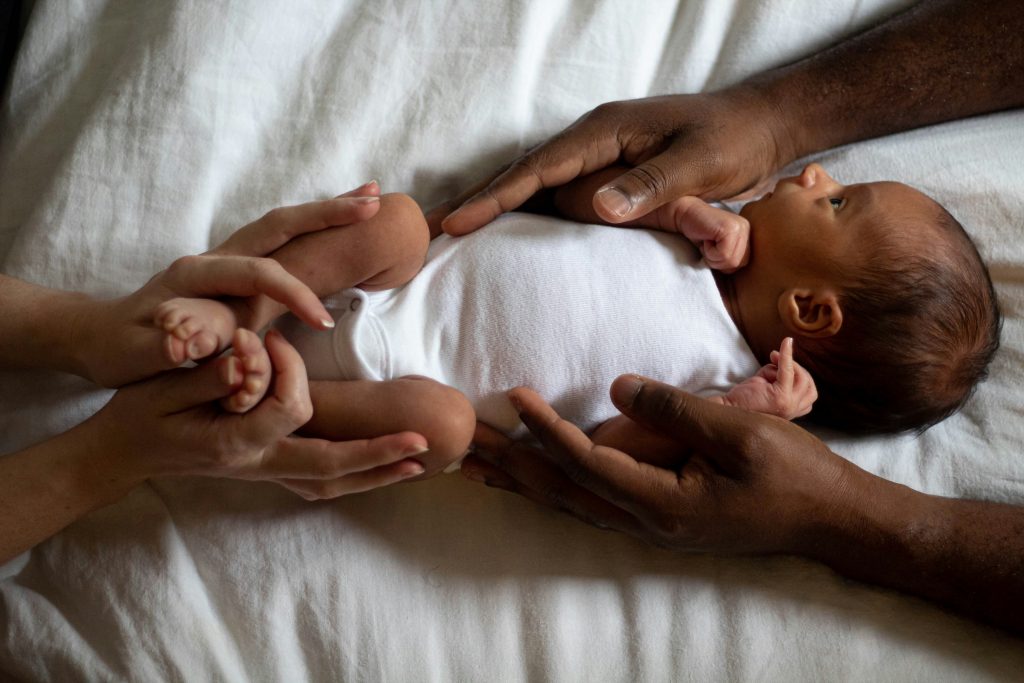
Complete Preemie Clothes Size Chart
Micro Preemie Sizes (Up to 2 lbs)
- Weight Range: Up to 2 pounds
- Length Range: Up to 12 inches
- Chest Circumference: 8-10 inches
- Head Circumference: 8-9 inches
- Typical Gestation: 24-28 weeks
Early Preemie (2-3 lbs)
- Weight Range: 2-3 pounds
- Length Range: 12-14 inches
- Chest Circumference: 10-12 inches
- Head Circumference: 9-10 inches
- Typical Gestation: 28-32 weeks
Preemie (3-5 lbs)
- Weight Range: 3-5 pounds
- Length Range: 14-17 inches
- Chest Circumference: 12-14 inches
- Head Circumference: 10-12 inches
- Typical Gestation: 32-36 weeks
Newborn Transition (5-8 lbs)
- Weight Range: 5-8 pounds
- Length Range: 17-21 inches
- Chest Circumference: 14-16 inches
- Head Circumference: 12-14 inches
- Typical Gestation: 36+ weeks
Size Comparison: Preemie vs. Newborn Clothing
| Measurement | Micro Preemie | Early Preemie | Preemie | Newborn |
| Weight | Up to 2 lbs | 2-3 lbs | 3-5 lbs | 5-8 lbs |
| Length | Up to 12″ | 12-14″ | 14-17″ | 17-21″ |
| Chest | 8-10″ | 10-12″ | 12-14″ | 14-16″ |
| Sleeve Length | 3-4″ | 4-5″ | 5-6″ | 6-7″ |
| Inseam | 2-3″ | 3-4″ | 4-5″ | 5-6″ |
How to Measure Your Preemie for Clothing
Taking Accurate Measurements
Measuring a preemie requires gentleness and precision. Use a soft measuring tape and take measurements when your baby is calm and relaxed. If your baby is still in the NICU, work with nursing staff who can help ensure accurate measurements without disturbing medical equipment.
Weight: Most crucial measurement, typically monitored daily in NICU settings.
Length: Measure from the crown of the head to the heel with the baby lying flat
Chest Circumference: Measure around the fullest part of the chest, under the arms
Head Circumference: Measure around the largest part of the head, above the eyebrows
Working with Medical Equipment
When measuring a baby with medical devices, account for the additional space needed around feeding tubes, monitoring leads, or breathing apparatus. Many preemie clothes feature specially designed openings or snap configurations to accommodate these needs.
Hudson Baby Cotton Preemie Bodysuits are thoughtfully designed to meet the unique needs of premature infants. Made from 100% soft cotton, these bodysuits offer gentle comfort for delicate skin. They feature easy-to-use snap closures, facilitating quick and hassle-free diaper changes.
Crafting a Preemie Wardrobe: Essentials Checklist
Building a wardrobe for your little preemie is all about comfort, practicality, and ease of use. You’ll want to curate a selection of clothes that make diaper changes a breeze and keep your baby cozy. Focus on soft bodysuits, gentle sleepwear, and fabrics that are easy to wash and care for, because let’s face it, those laundry days will come around fast! A mix of sizes is key too, so you can stay ahead of your preemie’s growth and keep them comfy through each new stage. You got this, mama!
Must-Have Preemie Clothing Items for New Parents
When it comes to your preemie’s wardrobe, simplicity is your friend. A few essential pieces will keep both you and your baby happy. Soft bodysuits, sleep gowns with elastic bottoms, and side-snap shirts are perfect because they’re easy to get on and off, which is a lifesaver when you’re dealing with a squirmy little one. And don’t forget to buy clothes that can grow with your preemie, so they don’t outgrow them too quickly.
Accessorizing Your Preemie: From Socks to Hats
Let’s not forget the little extras that make all the difference. Soft socks will keep your baby’s tiny feet warm, and hats are perfect for keeping their little heads cozy and protected. When choosing accessories, go for soft, breathable fabrics that won’t irritate their delicate skin. Adjustable sizes will also help ensure that your preemie’s accessories last a little longer as they grow. It’s the small details that make all the difference in making your baby feel secure and comfortable.
Essential Preemie Wardrobe Items
Foundation Pieces
Side-Snap Shirts and Bodysuits: Essential for babies with medical equipment or those who find over-the-head dressing stressful. Gerber Preemie Side-Snap Shirts in organic cotton provide the gentleness needed for sensitive preemie skin.
Sleep Gowns with Elastic Bottoms: Allow easy diaper access while keeping the baby covered and warm. Look for gowns with fold-over mittens to prevent scratching.
Kimono-Style Wraps: Perfect for babies who cannot yet tolerate traditional dressing. These wrap-around designs provide coverage without the need to lift arms or manipulate limbs.
Comfort and Warmth Items
Preemie Sleep Sacks: Halo SleepSack Preemie Cotton provides safe sleep warmth without loose blankets. The 1.0 tog rating is appropriate for most NICU and home environments.
Soft Hats: Essential for temperature regulation since preemies lose significant body heat through their heads. Kissy Kissy Preemie Hats in Pima cotton offer luxury softness with proper fit.
Gentle Footwear: Soft soles preemie booties provide warmth and protection while allowing natural foot development. The elastic ankles ensure they stay on tiny feet.
Fabric Selection for Preemie Skin
Best Materials for Sensitive Skin
Preemie skin is approximately 40% thinner than full-term baby skin, making fabric selection critical. Organic cotton remains the gold standard for its breathability, softness, and hypoallergenic properties.
Bamboo fiber has gained popularity for preemie clothing due to its natural antibacterial properties and exceptional softness. Look for materials with an incredibly smooth texture that reduce friction against delicate skin.
Materials to Avoid
Synthetic blends can trap heat and moisture against sensitive skin, potentially causing irritation or rashes. Avoid clothing with rough seams, scratchy labels, or stiff fabrics that could cause discomfort during extended wear.
NICU-Friendly Clothing Features
Medical Access Design
NICU staff need quick, easy access to your baby for monitoring and care. Clothing with snap fronts, side openings, and minimal back seams facilitates medical procedures without completely undressing your baby.
Snaps vs. Traditional Closures: Magnetic snaps provide silent, easy fastening that won’t disturb sleeping babies or interfere with sensitive equipment.
Temperature Monitoring Compatibility
Many NICU babies require continuous temperature monitoring. Clothing with chest access or special sensor-friendly designs allows for proper monitoring without compromising comfort or style.
Growth Progression and Sizing Up
Recognizing When to Size Up
Preemies often experience rapid growth spurts that require quick wardrobe adjustments. Signs it’s time to size up include:
- Snug fit around the chest or diaper area
- Sleeves or legs becoming too short
- Difficulty with closures or fasteners
- General appearance of tightness
Building a Transitional Wardrobe
Having pieces in the next size up ready prevents wardrobe emergencies during rapid growth periods. Various brands offer good value multi-packs that make stocking multiple sizes more affordable.
The Graduation to Newborn Sizes
The transition to newborn clothing represents a significant milestone in your preemie’s development. This typically occurs around 37-40 weeks corrected age or when your baby consistently weighs 5+ pounds.
Shopping Guide for Preemie Clothes
Specialized Retailers
Preemie Store: Offers the widest selection of micro preemie through regular preemie sizes with specialized NICU-friendly features.
Carter’s Preemie Collection: Provides reliable basics in preemie sizing with consistent quality and sizing.
NICU Helps: Focuses specifically on clothing designed for babies with medical needs, offering innovative solutions for complex care requirements.
Online vs. In-Store Shopping
Online shopping often provides better selection for preemie sizes, but sizing inconsistencies between brands make returns common. When possible, check return policies and consider ordering multiple sizes initially.
Hospital gift shops sometimes carry preemie basics, providing immediate solutions when you need clothing quickly.
Care and Maintenance of Preemie Clothes
Washing Delicate Garments
Preemie clothes require gentle care to maintain their softness and fit. Use fragrance-free, hypoallergenic detergents designed for sensitive skin. Dreft Stage 1: Newborn Liquid Detergent is specifically formulated for the most delicate skin.
Wash in cold water using gentle cycles to prevent shrinkage. Many preemie clothes are already sized precisely, making shrinkage particularly problematic.
Stain Removal for Small Clothes
Gentle Stain Treatment: Pre-treat stains with baby-safe removers before they set. The small size of preemie clothes means stains are proportionally larger and more noticeable.
Storage and Organization
Size-Based Organization: Keep different sizes clearly labeled and easily accessible. You can find many options to help organize the multiple sizes you’ll accumulate as your baby grows.
Special Circumstances and Solutions
Twin and Multiple Preemies
Dressing multiple preemies requires strategic planning and budgeting. Focus on versatile basics that can be mixed and matched between babies. Color-coding or labeling can help keep individual wardrobes organized.
Seasonal Considerations
Summer Preemies: Require lightweight, breathable fabrics but still need more coverage than full-term babies due to temperature regulation challenges.
Winter Preemies: Need layering options that don’t add bulk but provide necessary warmth. Sleep sacks become even more important for maintaining body temperature.
Extended NICU Stays
Long hospital stays require building a substantial preemie wardrobe that can withstand frequent washing and daily wear. Invest in quality basics rather than numerous trendy pieces.
The Emotional Journey of Preemie Clothing
Finding Beauty in Small Moments
Dressing your preemie can become a meaningful bonding experience that celebrates their growth and progress. Each size increase represents a milestone worth celebrating, marking your baby’s journey toward health and development.
The first time you dress your preemie in “regular” clothes instead of hospital gowns can be deeply emotional. These moments deserve recognition as significant steps in your parenting journey.
Building Confidence Through Proper Fit
Well-fitting clothes help normalize the experience of caring for a preemie. When clothing fits properly and looks adorable, it reinforces the positive aspects of your baby’s development rather than highlighting their differences from full-term babies.
Creating Memories Through Milestones
Save a special outfit from each size as your preemie grows. These tiny clothes become treasured keepsakes that commemorate your baby’s remarkable journey from their earliest days to healthy development.
Supporting Other Preemie Parents
Donating Outgrown Clothes
Preemie clothes have relatively short usage periods, making them perfect for donation to NICU units or other preemie families. Many hospitals maintain lending libraries of preemie clothes for families in need.
Sharing Knowledge and Resources
Your experience navigating preemie clothing needs can help other parents facing similar challenges. Sharing recommendations, sizing tips, and favorite brands builds community and support networks.
Long-term Perspective on Preemie Clothing
Beyond the NICU
As your preemie grows and develops, their clothing needs will eventually normalize. The specialized requirements of early preemie clothing give way to regular sizing and standard considerations.
Investment in Early Comfort
The money and attention invested in proper preemie clothing pays dividends in your baby’s comfort and development. Well-chosen clothes support better sleep, easier medical care, and reduced stress for both baby and parents.
Planning for Growth and Development
Anticipating Rapid Changes
Preemie growth can be unpredictable, with periods of rapid development followed by plateaus. Having flexible wardrobe plans and relationships with good return policies helps manage these fluctuations.
Building Toward Independence
Each size increase moves your preemie closer to independence from specialized medical care and equipment. Clothing choices can support this progression while maintaining necessary medical accommodations.
Frequently Asked Questions
1. How long do babies typically wear preemie sizes?
Most preemies wear preemie sizes for 4-12 weeks, depending on their birth weight and growth rate. Babies born at 32+ weeks might only need preemie sizes for a few weeks, while micro preemies might wear them for several months.
2. Can I use regular newborn clothes if they seem to fit?
While regular newborn clothes might appear to fit, they’re not designed for preemie proportions. Preemie clothes account for longer torsos, smaller heads, and medical equipment needs that regular newborn clothes don’t address.
3. Are expensive preemie clothes worth the investment?
Quality matters more than price point. Well-made preemie clothes last through multiple growth spurts and frequent washing. However, many affordable options provide excellent quality for the relatively short time they’ll be worn.
4. How many preemie outfits do I need?
Plan for 7-10 basic pieces per size, including bodysuits, sleep gowns, and hats. Preemies often need multiple clothing changes daily due to medical procedures and general care needs.
5. What if my baby is between sizes?
When in doubt, size up. Slightly loose clothing is safer and more comfortable than tight-fitting garments. Many preemie clothes are designed with adjustable features to accommodate size variations.
6. Do preemie clothes shrink differently from regular baby clothes?
Preemie clothes often use specialized fabrics and construction methods that may respond differently to washing. Always follow care instructions carefully and consider air-drying to prevent shrinkage.
Making Informed Decisions
Understanding preemie sizing empowers you to make confident clothing decisions that support your baby’s health and development. The knowledge you gain becomes invaluable not just for shopping, but for advocating for your baby’s needs in medical settings.
Proper preemie clothing isn’t just about fashion; it’s about providing the foundation for healthy development during your baby’s most vulnerable period. The care you put into these early clothing decisions reflects your commitment to your preemie’s well-being and comfort.
Your journey with preemie clothing will eventually end as your baby grows into standard sizes, but the knowledge and confidence you develop along the way will serve you well throughout your parenting journey. Every properly fitting outfit, every successful size transition, and every milestone celebrated in new clothes marks progress on your remarkable journey together.

I’m Lily, mom of two and the person behind Little Ones World. I’ve been through the tough nights, the endless laundry, and the trial-and-error of baby gear. I write about what I’ve learned so far—what helped, what didn’t, and what might make things smoother for you.