
Table of Contents
Washing baby clothes requires special attention to keep every garment soft, clean, and safe for a little one’s delicate skin. When I had my first baby, I assumed I could wash their clothes along with the rest of the family’s, but I quickly learned that wasn’t the best idea. Washing baby clothes separately has been my rule ever since; it prevents exposure to harsh detergents or stray items that could damage delicate fabrics.
Over the years, I’ve also discovered that certain tools and products can make the whole process so much easier. From gentle baby detergents that protect sensitive skin to mesh laundry bags that keep socks from disappearing, the right choices can turn laundry from a chore into a reassuring little ritual. I’ll share some of my favourites as we go along, so you can find what works best for your own baby’s wardrobe.
As parents, we need to be extra vigilant. I’ve found that creating a consistent baby laundry routine not only protects my children’s skin from irritation but also extends the life of their clothes, keeping them soft and comfortable. This small shift has made everyday life just a bit easier, and honestly, it has given me more peace of mind. In this blog, let me share how to wash baby clothes — gentle, step-by-step tips to keep tiny outfits clean, soft, and safe for your baby’s sensitive skin.
Preparing to Wash Baby Clothes Properly
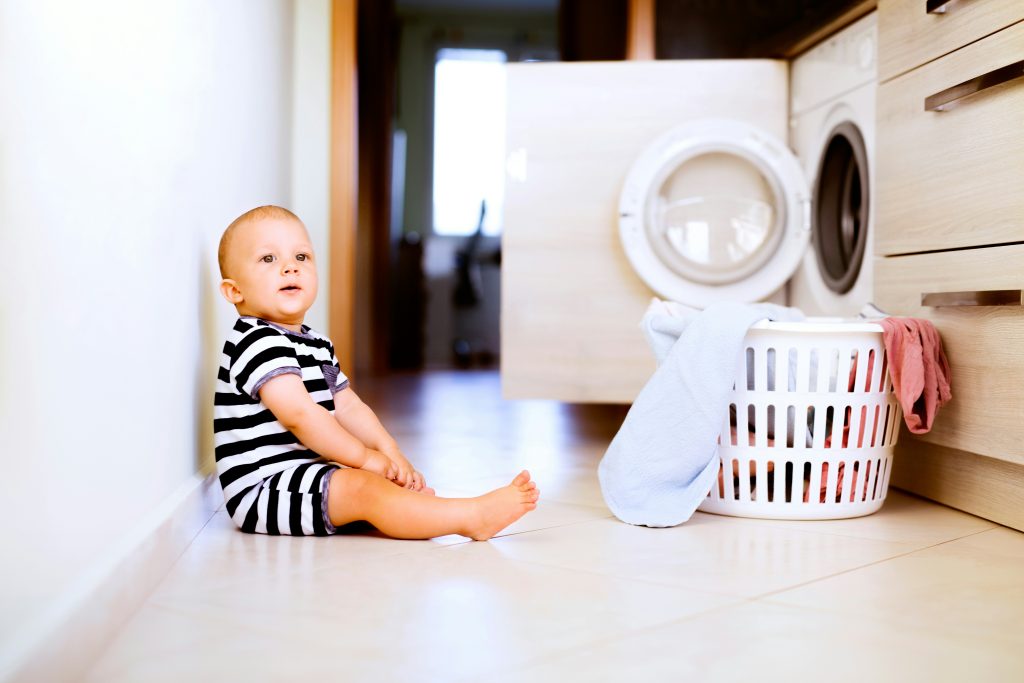
I never just toss my babies’ clothes into the washer without checking them first. Over the years, I’ve gotten into the habit of doing a quick prep: emptying little pockets (yes, even tiny ones can hide tissues or crumbs), fastening Velcro tabs so they don’t snag other pieces, and snapping buttons to protect fabrics.
I’ve also learned to turn anything with prints or decals inside out before washing. It takes only a moment, but it keeps those cute designs from peeling or fading too quickly. These little steps may seem small, but I’ve noticed how much longer clothes last when I take the time to prepare them properly.
Sorting Baby Laundry by Fabric Type and Color
Sorting baby laundry isn’t just about dividing whites from colours; it’s also about knowing how different fabrics need to be treated. Early on, I discovered that delicate fabrics like wool or lace simply don’t hold up well if they’re washed with heavy cottons. Now I sort by fabric type as well as colour, and it’s saved me from shrinking or misshaping a lot of favourite outfits.
Another thing I’ve been consistent about is using a detergent for baby clothes. Harsh detergents with fragrances and dyes have always worried me, especially since newborn skin is so sensitive. When I wash with a gentle, fragrance-free detergent, I know I’m reducing the risk of irritation.
I did an experiment once with a homemade detergent. While I loved the idea, I noticed it sometimes left residue on the clothes. Store-bought baby laundry detergents are designed to rinse out clean, so I usually stick with those for convenience and peace of mind.
Understanding Care Labels on Baby Clothes
If I’m honest, I used to ignore those tiny care labels on clothes. But after one too many ruined items, like the little romper that shrank after one wash, I’ve made it a point to pay attention.
They guide me on things like water temperature, drying methods, and whether a garment is safe for ironing. Once I started following them, my babies’ clothes stayed soft and lasted longer. It’s such a simple step, but it makes all the difference when you want to preserve the quality of delicate fabrics.
Spot-Treating Stains on Baby Clothes
With babies, stains are part of everyday life. Between baby food, milk spills, and diaper accidents, I’ve dealt with more stains than I can count. The trick I’ve learned? Treat them right away.
When I notice a spot, I gently apply a baby clothes stain remover before putting the item in the wash. It doesn’t take much scrubbing, just a little dab and rub, and most stains come right out. Acting fast has saved many of my favourite outfits that I thought were beyond rescue.
Selecting the Right Laundry Detergent for Baby Clothes
The Importance of Choosing a Gentle Detergent
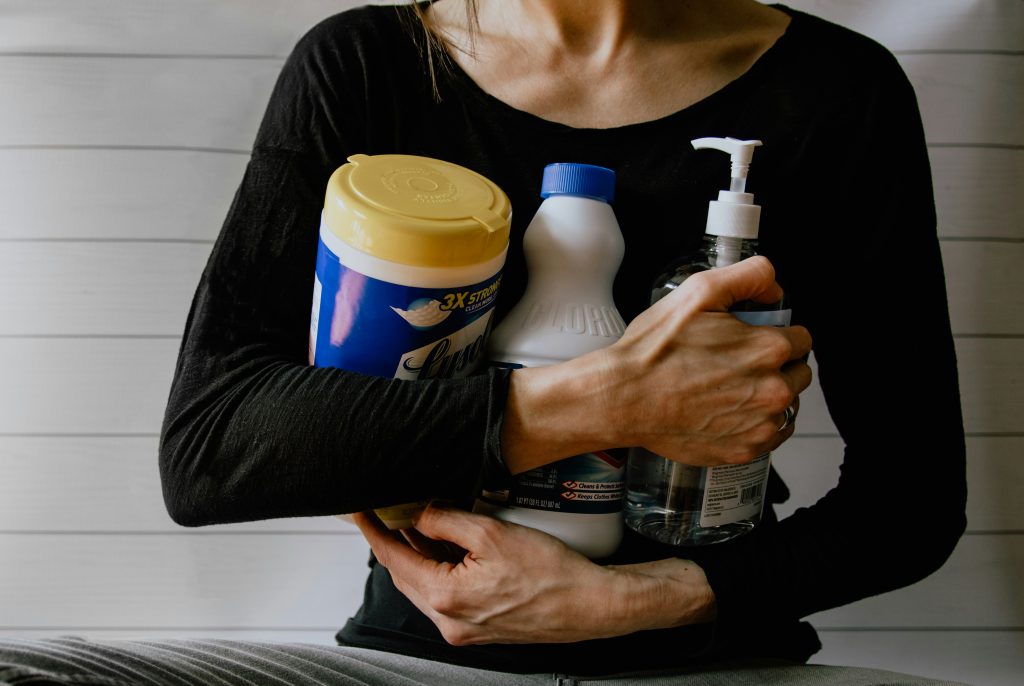
The detergent you use makes such a big difference. I’ve found that harsh detergents don’t just risk irritating skin, they also strip the fabric’s softness and fade colours. That’s why I always stick with gentle detergents for babies.
Sometimes I’ll add a natural booster like baking soda when I need extra cleaning power. It helps tackle stubborn spots while staying safe for sensitive skin. My babies’ comfort has always come first, and using the right detergent is one of the easiest ways to protect them.
Homemade vs. Store-Bought Baby Laundry Detergent
I’ve tried both homemade and store-bought detergents. Homemade can work well, but I noticed that if it isn’t mixed properly, it can leave residue. Store-bought detergents are made to rinse clean, and for me, that’s been a lifesaver.
At the end of the day, whether you choose homemade or commercial detergent, the goal is the same: clean, residue-free clothes that feel soft and safe on your baby’s skin. Personally, I’ve found store-bought products more reliable, especially when life is busy and laundry piles are endless.
Machine-Washing Baby Clothes
Setting Up the Washing Machine for Baby Clothes
When I machine wash baby clothes, I always set it to a delicate or gentle cycle. It keeps fabrics from wearing out too quickly. Small items like socks and mittens go straight into mesh laundry bags—I’ve lost too many socks to the washer to risk it anymore!
Before starting a load, I also make sure the machine is clean. Residue from previous washes, especially if it involved stronger detergents, can cling to baby clothes. And I never overload the washer. Smaller loads ensure that each garment gets a proper clean and rinse.
Drying Baby Clothes After Machine Washing
Drying requires just as much care. I stick with gentle dryer cycles and never use fabric softeners or dryer sheets because they leave residues that can irritate skin. For delicate items, I prefer to lay them flat to air-dry.
I always check collars, cuffs, and waistbands for dampness as they’re easy spots for mildew to form. Snapping buttons and fastening zippers before drying also helps clothes keep their shape, which saves time when I wash them again later.
Hand Washing Delicate Baby Items
Some pieces, especially delicate knits or special outfits, need a gentler touch than the machine can provide. For those, I turn to hand washing baby clothes.
I always start by washing my own hands to avoid transferring germs or dirt. Then I pre-treat any stubborn stains, especially those from spit-up or diaper leaks. In lukewarm water, I swirl the clothes gently with a small amount of baby detergent. I never scrub or twist, because that can damage the fabric. After rinsing thoroughly, I gently squeeze out water and lay the items flat to dry.
Step-By-Step Guide to Hand-Washing Baby Clothes
When hand washing, I follow a simple process that makes delicate clothes last longer. Here’s how I usually do it:
- Fill a basin with lukewarm water and add a small amount of gentle, baby-friendly detergent.
- Let the clothes soak for a few minutes to loosen any dirt.
- Swirl the clothes gently through the water—no harsh scrubbing, just soft movements.
- Rinse thoroughly in clean water until no soap suds remain.
- Press out excess water gently (never wring, as that can stretch fabrics).
- Lay clothes flat on a clean towel or hang in a well-ventilated spot, reshaping as needed so they dry in their proper form.
This method has always helped me keep delicate pieces soft, clean, and ready for my little ones.
Drying Hand-Washed Baby Clothes Naturally
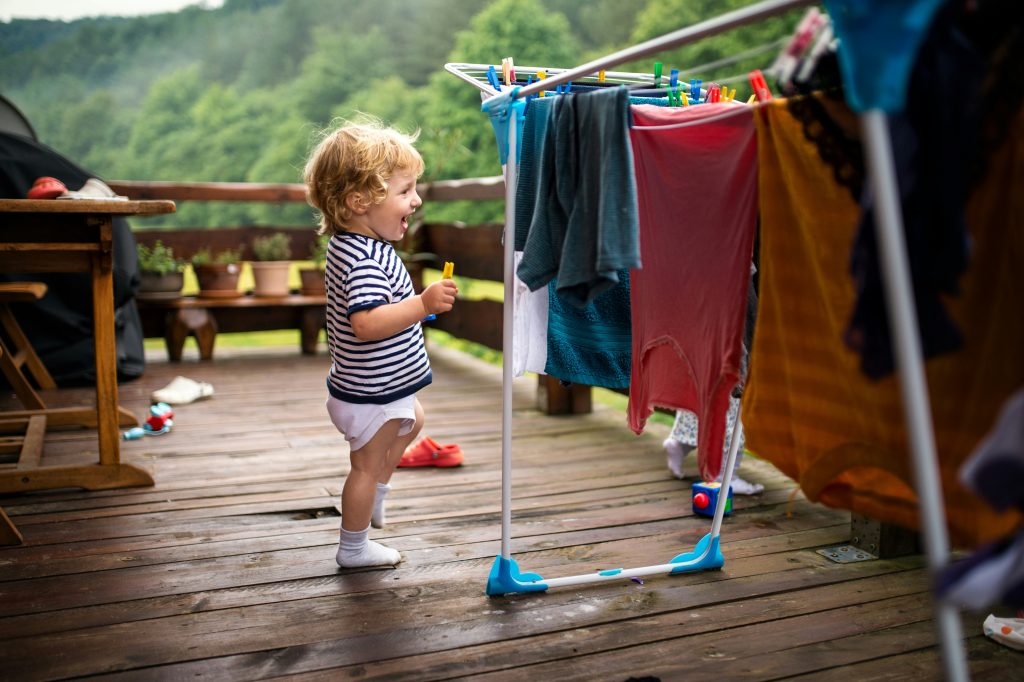
Air-drying is my favourite way to finish delicate laundry. It keeps fabrics soft and avoids the wear and tear of machine drying. After hand washing, I lay the clothes flat or hang them on a rack in a breezy room.
I make sure to keep them out of direct sunlight as it can cause colours to fade and fabrics to stiffen. Letting them air out naturally has always kept my babies’ clothes feeling cosy and fresh.
Pre-Washing Baby Clothes Before First Use
One of my favourite nesting rituals before both of my babies arrived was pre-washing baby clothes. New clothes often have factory residues or stiff textures, so washing them makes them soft and safe against a newborn’s skin.
Pre-washing also gave me the chance to inspect everything, checking for loose buttons or threads that could be unsafe. Doing it a few weeks before my due date gave me such peace of mind, knowing every little outfit was ready.
When to Pre-Wash Baby Clothes Before Arrival
For me, pre-washing has always felt like more than a chore; it’s part of preparing for the baby. I usually start a few weeks before the due date. That way, every piece, including hand-me-downs, is clean, soft, and ready.
It’s especially important for sensitive skin. Using a baby-safe detergent minimises risks of irritation, and it also softens new fabrics that can feel stiff. This step makes those first hectic weeks so much easier.
Steps for Efficiently Pre-Washing New Baby Garments
Here’s the simple routine I use for pre-washing:
- Read care labels first for temperature and drying guidance.
- Sort by colour and fabric type to protect delicate items.
- Use warm water with baby detergent to remove residue.
- Divide large loads into smaller batches for a thorough clean.
- Shake out each garment after washing to reduce wrinkles.
- Air-dry or use a gentle dryer cycle, depending on fabric.
This approach ensures clothes are fresh, soft, and ready for the baby’s arrival.
Comparison of Baby Clothes Washing Methods
| Method | Best For | Gentleness | Time Required | Why I Use It |
| Machine Washing | Everyday cottons, onesies, sleepers | ⭐⭐⭐ | Quick | Convenient and efficient for big loads. Using mesh bags keeps socks and mittens safe. |
| Hand Washing | Delicate knits, lace, special outfits | ⭐⭐⭐⭐⭐ | Slower | It is a controlled process and protects fragile fabrics. Ideal for keepsakes or heirloom pieces. |
| Pre-Washing | New clothes before baby arrives | ⭐⭐⭐⭐ | Moderate | Removes factory residue and softens fabrics. A nesting ritual that gave me peace of mind. |
Special Considerations for Different Materials
How to Wash Wool Baby Clothes Carefully
Wool has been the trickiest fabric I’ve dealt with. It shrinks so easily! I only wash it with wool-safe detergent, on a gentle cold cycle, and I never wring it out. Instead, I press the water out gently and lay it flat on a towel to dry evenly.
Managing Synthetic and Sensitive Fabrics
Synthetic fabrics like fleece are durable but don’t handle high heat well. I wash them in cool water with mild detergent and always air-dry. For lace or embroidered pieces, I tuck them into mesh bags to protect the delicate designs during the wash.
Troubleshooting Common Issues
Dealing with Shrinking, Fading, and Stretching
Shrinking, fading, and stretching are the three biggest laundry frustrations I’ve faced. To avoid them, I wash with cold water and mild detergent, and I steer clear of high-heat drying. If something shrinks, I soak it in lukewarm water and gently stretch it back into shape. To avoid fading, I turn clothes inside out before washing. And I never overload the machine—clothes last much longer this way.
Addressing Allergic Reactions to Laundry Products
When my eldest developed a rash, I suspected the detergent right away. I switched to a hypoallergenic, fragrance-free baby detergent and began double-rinsing. It worked. Since then, I’ve avoided fabric softeners and dryer sheets entirely—they’re simply too harsh for baby skin.
Frequently Asked Questions About Washing Baby Clothes
1. What are the best practices for washing baby clothes for the first time?
When I wash baby clothes for the first time, I always use a gentle detergent, sort carefully, and set the machine to a delicate cycle. Socks and tiny mittens go into mesh laundry bags so they don’t get lost.
2. What is the ideal water temperature for baby laundry?
Warm water (30–40°C / 86–104°F) usually works best. It’s hot enough to clean but gentle enough for fabrics. That said, I always check the care labels, because some pieces really do need cold washes.
3. How do I make sure my baby’s clothes are safe and comfortable?
Every step matters: from choosing the right detergent to checking water temperature and drying gently. Keeping the process as soft as possible ensures comfort and prevents irritation.
4. Do I need to sanitise baby clothes?
Most everyday baby clothes just need a normal, gentle wash. But for cloth nappies or heavily soiled items, I sometimes use a sanitising cycle or a hot wash to give me extra reassurance that everything is germ-free.
5. What safety checks should I do before dressing my baby?
Before dressing my little ones, I always check for loose threads, broken snaps, or rough edges. It only takes a few seconds, but it makes sure every outfit is safe and comfortable.
6. Should I wash baby clothes separately from adults’ clothes?
Yes, I always wash my babies’ clothes separately. Adult laundry often carries harsher detergents, zippers, or stray items that can damage delicate baby fabrics. Washing separately ensures their clothes stay soft and safe for sensitive skin.
7. Can I use fabric softener on baby clothes?
I avoid fabric softeners and dryer sheets completely. They may smell nice, but they often leave behind residue that can irritate sensitive baby skin. Instead, I stick with a gentle baby detergent and, when needed, add a bit of baking soda or white vinegar for softness.
Wrapping Up: Mastering the Art of Washing Baby Clothes
Washing newborn clothes may feel overwhelming at first, but once you build a routine, it quickly becomes second nature. For me, it’s never just been about keeping clothes clean; it’s about caring for my babies, making sure every outfit that touches their skin is soft, safe, and comfortable. From checking snaps before a wash to using gentle detergents and air-drying delicate items, these small habits make a big difference.
Over the years, I’ve found that the right products can truly simplify the process, whether it’s a gentle detergent that doesn’t irritate skin, a mesh bag that saves tiny socks, or a drying rack that protects delicate fabrics.
With a little care and attention, baby laundry can shift from feeling like one more chore to becoming a reassuring routine that keeps your nursery calm and organised. Start small, try out the tips in this guide, and make it your own.
Ready to make baby laundry easier? Explore my favourite laundry essentials today and start creating a stress-free routine that works for you and your little one.

I’m Lily, mom of two and the person behind Little Ones World. I’ve been through the tough nights, the endless laundry, and the trial-and-error of baby gear. I write about what I’ve learned so far—what helped, what didn’t, and what might make things smoother for you.