Table of Contents
As a mother of two, I’ve learned that baby poop stains are practically a rite of passage in parenthood. I still remember the first major blowout my eldest had—it was 2 AM, and suddenly his adorable onesie looked like a crime scene. If you’re reading this with a stained baby outfit in hand, take a deep breath.
How to get poop stains out of baby clothes — easy, effective cleaning hacks every parent needs to rescue those adorable outfits fast. I’m here to share everything I’ve learned about removing poop stains from baby clothes, from immediate damage control to advanced techniques that actually work.
The key to successful poop stain removal isn’t magic; it’s understanding the right techniques and acting quickly. Whether you’re dealing with a fresh accident or discovering a forgotten stain that’s been sitting in the hamper, there’s hope for those precious little outfits.
Why Poop Stains Are So Challenging to Remove
Baby poop contains proteins, fats, and organic compounds that bond quickly with fabric fibers. Unlike many other stains, poop stains become increasingly difficult to remove once they set. The proteins in particular can create permanent bonds with cotton and other natural fibers if exposed to heat before proper treatment.
Immediate Action Steps for Fresh Poop Stains
Step 1: Stay Calm and Remove Excess Material
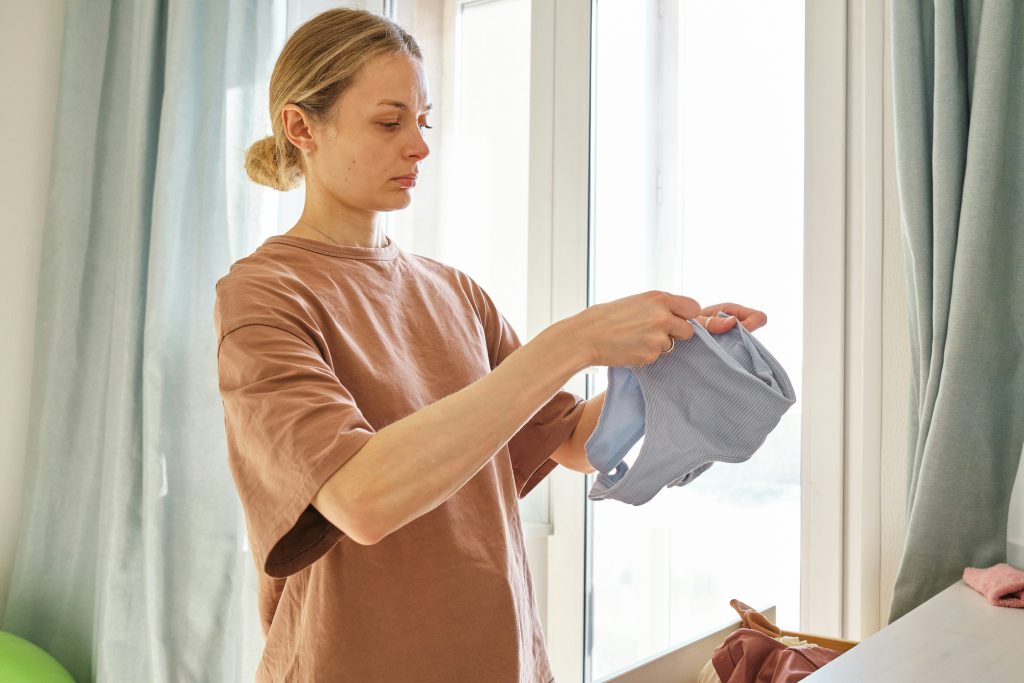
The moment you discover a poop stain, resist the urge to panic-wash it immediately. First, carefully remove any solid waste using a baby wipe or soft scraper. Work from the outside of the stain inward to prevent spreading.
I keep disposable gloves in my diaper changing station specifically for these moments. Trust me, it makes the cleanup process much more manageable and hygienic.
Step 2: Rinse with Cold Water Immediately
Cold water is your first line of defense against poop stains. Hot water will actually cook the proteins in the stain, making removal nearly impossible. Hold the stained area under cold running water, allowing the water to flush through the fabric from the back side of the stain.
This technique pushes the stain out of the fabric rather than deeper into it. Keep rinsing until the water runs relatively clear.
Step 3: Pre-treat Before Washing
Never put a poop-stained garment directly into the washing machine without pre-treatment. Apply your chosen stain remover and let it sit for at least 15-20 minutes before washing.
Natural Poop Stain Removal Methods
When my daughter developed sensitive skin reactions to commercial stain removers, I discovered these gentle yet effective natural alternatives that work beautifully for baby clothes.
White Vinegar Pre-treatment
White vinegar’s acidic properties naturally break down organic stains. Apply undiluted white vinegar directly to the stain, let it sit for 10 minutes, then proceed with normal washing.
The smell might be strong initially, but it disappears completely after washing, leaving clothes fresh and stain-free.
Lemon Juice and Sunlight Combination
This grandmother’s remedy actually works wonders. Apply fresh lemon juice to the stain, then place the garment in direct sunlight for 2-4 hours. The citric acid breaks down the stain while natural sunlight provides a gentle bleaching action.
I discovered this method during a beach vacation when I had limited cleaning supplies. The combination removed a stubborn stain that had resisted multiple wash cycles.
Baking Soda Paste for Stubborn Stains
Create a thick paste using baking soda and water. Apply it generously to the stain and let it sit for 30 minutes before scrubbing gently with a soft brush. This natural abrasive action helps lift embedded stains from fabric fibers.
Advanced Stain Removal Techniques
Enzymatic Cleaners: The Protein Fighters
Enzymatic cleaners specifically target the proteins in poop stains. These products contain enzymes that literally digest organic matter, making them incredibly effective for biological stains.
Apply the enzymatic cleaner according to package directions and allow adequate dwell time, usually 30 minutes to several hours for set-in stains. I keep a bottle specifically for baby clothes and use it as soon as accidents happen.
Oxygen Bleach for Colored Fabrics
Unlike chlorine bleach, oxygen bleach is safe for colored baby clothes and won’t cause fading. It works by releasing oxygen molecules that lift stains from fabric fibers without damaging the material.
Dissolve oxygen bleach in warm water according to package directions, then soak the stained garment for at least one hour before washing normally.
The Soaking Method for Set-in Stains
For stains that have been sitting or have gone through a heat cycle, try this intensive soaking method:
- Create a solution using warm water, liquid laundry detergent, and a tablespoon of dish soap
- Submerge the garment completely
- Allow it to soak for 2-4 hours or overnight for severe stains
- Gently scrub with a soft brush before washing
Step-by-Step Washing Process
Pre-wash Treatment
After pre-treating, always wash stained items separately from other laundry. Use the warmest water safe for the fabric (check care labels) and add extra detergent.
I learned to read care labels religiously after shrinking several adorable outfits by using water that was too hot.
Machine Washing Best Practices
Use a gentle cycle with appropriate water temperature. Add your regular laundry detergent plus a stain-fighting booster if needed. Avoid fabric softeners on baby clothes, as they can reduce absorbency and potentially irritate sensitive skin.
The Critical Drying Decision
Before placing clothes in the dryer, inspect each item carefully in good lighting. Heat will permanently set any remaining stain residue. If you see even a faint shadow of the original stain, repeat the treatment process.
Air drying is always safer for treated items. The natural evaporation process won’t lock in any remaining stain particles.
Comparison of Stain Removal Methods
| Method | Effectiveness | Speed | Fabric Safety | Cost |
| Cold Water Rinse | Moderate | Immediate | Excellent | Free |
| White Vinegar | Good | 15 minutes | Excellent | Very Low |
| Enzymatic Cleaner | Excellent | 30-60 minutes | Good | Moderate |
| Oxygen Bleach | Excellent | 1-2 hours | Good | Low |
| Baking Soda Paste | Good | 30 minutes | Excellent | Very Low |
| Lemon + Sunlight | Good | 2-4 hours | Excellent | Very Low |
Product Recommendations for Stain-Free Baby Clothes
Best Baby-Safe Stain Removers
Dreft Stain Remover has been my go-to for years. It’s specifically formulated for baby clothes and effectively tackles organic stains without harsh chemicals that could irritate sensitive skin.
Seventh Generation Natural Stain Remover offers plant-based cleaning power that’s both effective and environmentally friendly.
Essential Laundry Tools
A soft-bristled baby clothes brush makes gentle scrubbing much more effective. Look for one with natural bristles that won’t damage delicate fabrics.
Disposable gloves should be in every parent’s cleanup arsenal. They make handling soiled clothes much more hygienic and comfortable.
Protective Clothing Options
Carter’s Snap-Up Cotton Sleep & Play outfits with convenient snap closures make diaper changes and cleanup easier, reducing the chance of spreading stains during clothing removal.
Honest Company Organic Cotton Onesies in multipacks provide backup options when accidents happen, and their high-quality organic cotton holds up well to repeated stain treatments.
Prevention Strategies That Actually Work
Choosing the Right Diapers
Well-fitted diapers are your first defense against blowouts. I’ve found that Pampers Baby Dry provides reliable leak protection, while Honest Company Club Box Diapers offer excellent absorbency with plant-based materials.
The key is finding the right size and style for your baby’s shape and activity level. Don’t be afraid to try different brands until you find the perfect fit.
Smart Clothing Choices
Choose baby clothes with easy access for diaper changes. Outfits with snaps along the legs and shoulders make quick changes possible without pulling clothes over the baby’s head, reducing the spread of any accidents.
Darker colors and patterns naturally camouflage minor stains better than white or light-colored clothing, though all colors can be successfully cleaned with proper technique.
Timing and Monitoring
Regular diaper checks and prompt changes significantly reduce the risk of major blowouts. I learned to recognize my babies’ patterns and change diapers preemptively during high-risk times.
Troubleshooting Common Stain Removal Challenges
When Stains Won’t Budge
If a stain persists after multiple treatments, try combining methods. Apply an enzymatic cleaner, let it sit, then create a baking soda paste over the treated area. The combination often succeeds where individual methods fail.
Dealing with Set-in Stains
For stains that have been through the dryer, success is still possible but requires patience. Repeat the soaking and treatment process multiple times, allowing longer dwell times between treatments.
Fabric-Specific Considerations
Delicate fabrics like silk or wool require gentler approaches. Use cool water and mild, pH-neutral cleaners. When in doubt, test any cleaning solution on an inconspicuous area first.
Frequently Asked Questions
1. Can I use bleach on baby clothes?
Oxygen bleach is safe for baby clothes and won’t cause fading like chlorine bleach. Always avoid chlorine bleach on colored fabrics or items that will contact the baby’s skin directly.
2. How long can I wait before treating a poop stain?
Immediate treatment is always best, but stains can often be successfully removed even after several days if they haven’t been exposed to heat. The key is thorough pre-treatment before washing.
3. Is it safe to wash poop-stained clothes with other baby items?
Always wash heavily soiled items separately to prevent cross-contamination. Once stains are completely removed, the clothes can return to regular wash loads.
4. What if the stain is barely visible but still there?
Any remaining stain, no matter how faint, should be treated again before heat drying. Heat will permanently set even minimal residue.
5. Are expensive stain removers worth the cost?
Many effective stain removal solutions can be made from common household items. However, enzymatic cleaners specifically designed for protein stains often provide superior results and can be worth the investment.
6. How do I prevent stains from happening?
Proper diaper fit, regular changing, and choosing quality diapers significantly reduce blowout frequency. However, some accidents are inevitable with babies.
Long-term Clothing Care
Successfully removing poop stains is just part of maintaining your baby’s wardrobe. Proper storage, regular washing with appropriate detergents, and careful attention to care labels help preserve clothing quality and appearance over time.
I’ve found that clothes treated promptly and correctly for stains actually hold up better in the long run than items that receive delayed or harsh treatment.
Final Thoughts: Embracing the Mess
Poop stains are an inevitable part of early parenthood, but they don’t have to be a source of constant stress. With the right knowledge, tools, and mindset, most stains can be successfully managed.
Remember that these messy moments are temporary phases. Before you know it, you’ll miss the sweet weight of a sleeping baby in your arms, even if they did just ruin another outfit.
Every parent deserves to feel equipped and confident when facing these inevitable challenges. With practice and the right approach, you’ll develop your own successful stain-fighting routine.

I’m Lily, mom of two and the person behind Little Ones World. I’ve been through the tough nights, the endless laundry, and the trial-and-error of baby gear. I write about what I’ve learned so far—what helped, what didn’t, and what might make things smoother for you.