Table of Contents
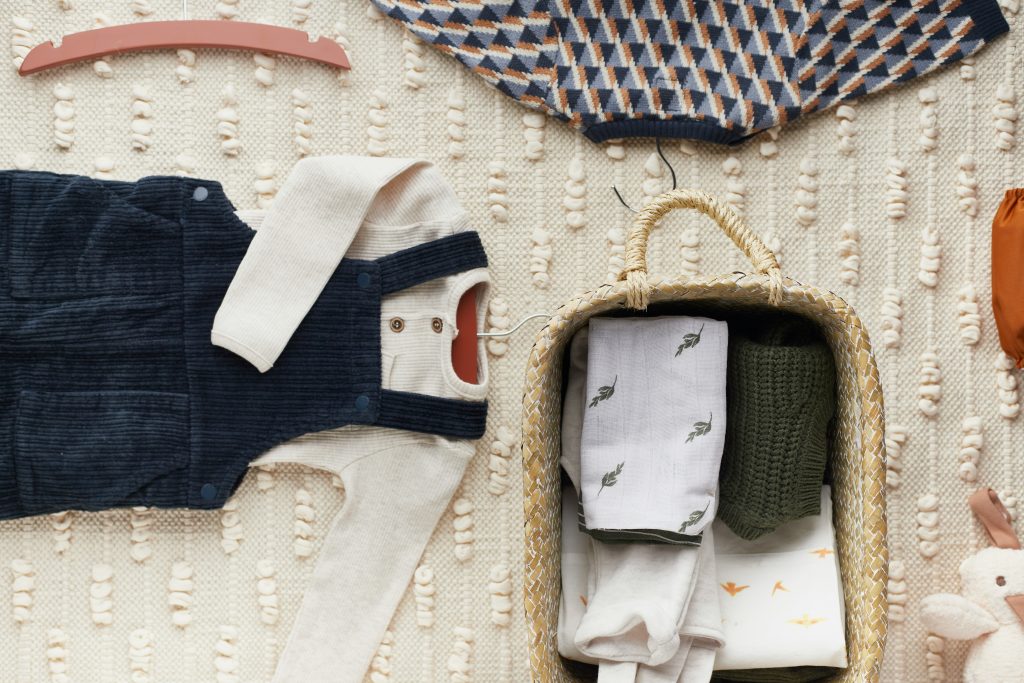
As a mom of two, I’ve come to realise that learning how to fold baby clothes properly is more than just a simple household chore. In the early days, I rushed through it, tossing tiny onesies and sleepers into drawers, however they would fit. But over time, I discovered that doing it right saves so much time and keeps the nursery from becoming a jumble of fabric. Folding with care isn’t just about appearances—it’s about creating order, maximising storage space, and making it easier to find what you need when your little one needs a quick change.
Why Folding Baby Clothes Matters
Practical Benefits for Everyday Parenting
Folding and organising baby clothes the right way makes life easier. It allows you to find outfits quickly, saves drawer and closet space, and prevents wrinkles or stretched fabrics. With babies needing multiple outfit changes daily, a good folding system keeps the chaos under control and gives every garment its place.
Try adjustable baby drawer dividers to keep piles from toppling over and make each drawer easy to manage.
Emotional Benefits of an Organized Nursery
There’s also an emotional side to having a tidy nursery. A calm, clutter-free room creates a more peaceful atmosphere, and that sense of order helps parents feel less overwhelmed. I still remember pulling open a drawer late at night, thinking we were out of clean onesies, only to find several wrinkled ones buried underneath. That moment convinced me to treat folding as part of my routine. It turned an everyday task into something that gave me back a little control and calm.
Mastering the Art of Folding Baby Clothes
When I first started caring for my newborn’s wardrobe, I quickly learned that each garment needs a slightly different folding approach. Clothes that are folded to stand upright are my favourite because they make every piece visible at a glance. I smooth out wrinkles first, fold sweaters and jackets into compact squares to maintain their structure, and file smaller items like bodysuits neatly into drawers. By folding consistently and sorting by type and size, I always know which drawer holds newborn essentials and which one has the next size up.
The KonMari Method for Baby Clothes
One of the most effective techniques I’ve adopted is the KonMari folding method for baby clothes, introduced by Marie Kondo. It’s simple but powerful: keep only what sparks joy and fold items so they stand upright.
To do this, I lay each piece flat, fold the sleeves inward, and fold the bottom up toward the top before creating a small rectangle that can stand on its own. The benefit? When you open the drawer, every bodysuit, onesie, or pajama is visible immediately. It eliminates rummaging, saves space, and makes choosing an outfit a pleasant task instead of a frustrating one.
Use KonMari-style storage bins to keep upright folds from collapsing and to maintain that boutique look in baby drawers.
Rolling Baby Clothes for Compact Storage
Another method I often use is rolling baby clothes. This technique is perfect for travel or when nursery storage space is limited. Rolling prevents creases and makes it simple to see and grab what you need. I fold the garment in half and roll it tightly from the bottom up, creating neat cylinders that tuck easily into drawers or suitcases.
I use this method most often for pajamas, pants, and onesies, especially when packing bags for family trips. It doubles the available space and keeps everything wrinkle-free. For small nursery storage ideas, rolling is also a lifesaver because it optimises every inch of drawer space.
Traditional Folding Techniques
While modern methods are great, sometimes traditional folding is still the best. Laying clothes flat, folding in sleeves or excess fabric, and finishing with a rectangle creates simple, tidy stacks. I use this technique for items like seasonal clothes, spare blankets, and outfits that don’t need daily access. This classic method may be basic, but it remains one of the most effective ways to keep baby clothing storage organized.
Folding Specific Baby Garments
Onesies and Bodysuits
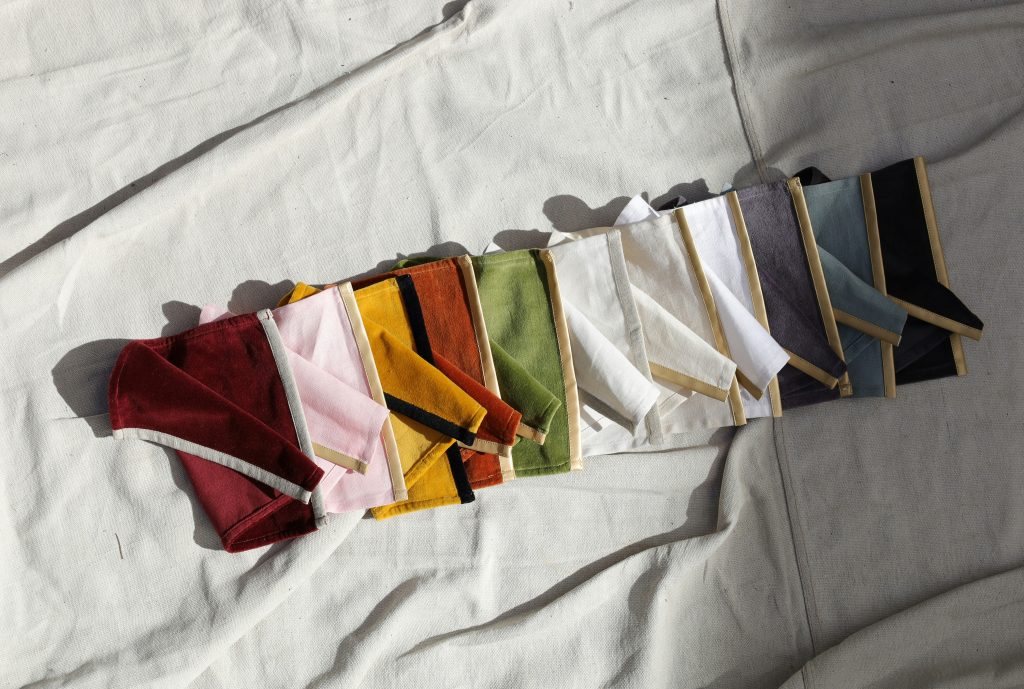
The best way to fold baby onesies is to lay them flat, fold in the sleeves, and bring the bottom up to the chest before folding in half. This creates a compact rectangle that stacks neatly in drawers. It also ensures I can quickly find the right size or style without disturbing the whole pile.
Newborn Essentials
Tiny newborn items like sleepers, mittens, and hats are best folded into small, uniform shapes. Filing them side by side in drawers makes it easy to see what’s available, while also giving me a quick idea of what’s running low.
Pants and Leggings
For pants and leggings, I lay them flat, fold them lengthwise, and then fold the legs up toward the waistband. This keeps them compact while preventing bulk. Folding them consistently also creates a uniform look in the drawer, which helps me stay organized.
Bulkier Items
Sweaters and hoodies fold best when placed face down, sleeves tucked inward, and the bottom folded up toward the neckline. Folding again creates a compact square that fits neatly in drawers. Dresses and rompers, on the other hand, often do better when hung to prevent wrinkles.
Maximising Closet Space in the Nursery
Closet space fills quickly when you’re managing a growing baby’s wardrobe. I fold everyday basics into drawers and hang delicate or structured outfits like coats and dresses. Slim hangers prevent overcrowding, and adding a second rod doubles the hanging area.
Closet organisers, like bins, shelves, and dividers, are also invaluable. They let me separate items by category and season, which makes it much easier to choose outfits. This simple system of folding, hanging, and sorting has kept my children’s closets organized through every growth spurt.
Hanging Baby Clothes for Shape and Care
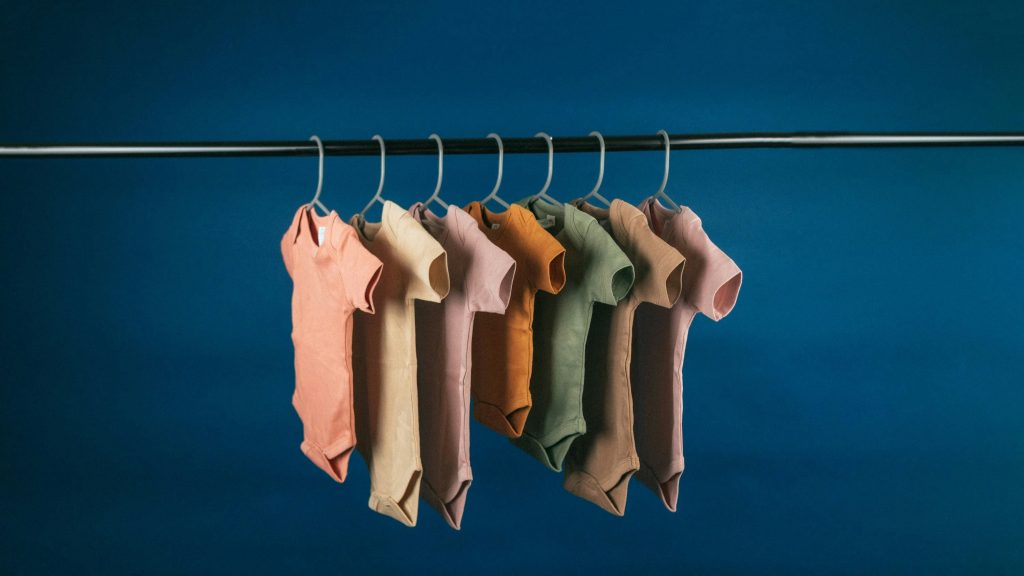
Some pieces are simply better hung. Special occasion outfits, dresses, and outerwear stay in shape longer when hung rather than folded. Using slim padded hangers allows me to maximise vertical space while keeping delicate fabrics safe from stretching or creasing. Hanging also frees up drawer space for the basics, which keeps everything balanced.
Using Closet Dividers for Organisation
Baby closet dividers are one of the most helpful tools I’ve used. They allow me to categorise clothing by size, type, or season. As babies outgrow sizes quickly, having clear sections in the closet saves so much time. I can immediately see which items still fit and which need to be moved into outgrown bins.
Clear Storage Bins for Easy Visibility
Clear storage bins have become a staple in my system for baby clothes storage ideas. I use them to store clothes my children haven’t grown into yet or for seasonal outfits we won’t need for a few months. Because they’re transparent, I can see what’s inside without rummaging, and the labels make it even easier to stay on top of what’s available.
Storing Outgrown Baby Clothes
Babies grow out of clothing faster than we can keep up sometimes. I created a simple system: as soon as I notice something no longer fits, I fold it neatly and place it in a designated outgrown bin. Once the bin is full, I decide whether to store the clothes, donate them, or pass them on to friends and family. Using vacuum-sealed bags for long-term storage has saved me space and kept clothes safe from dust and moisture.
Smart Storage Solutions for Small Nurseries
For parents working with limited nursery space, creativity is key. Floating shelves, over-the-door organisers, and multi-tiered rolling carts are all clever solutions that help expand storage without taking up extra floor space. I also love multi-purpose furniture, like cribs with drawers or changing tables with built-in shelves, which provide extra space for clothes and essentials. These small nursery storage ideas make even compact rooms functional and organized.
Stackable clear storage bins are perfect for out-of-season clothes and growing into the next size without losing track.
Keeping Accessories and Socks in Place
Tiny accessories are easily lost, but bonnet stands and small organisers make a world of difference. I use bonnet stands for hats and headbands, while socks go into small mesh laundry bags to keep pairs together. This has completely eliminated the frustration of mismatched socks and missing mittens.
Comparison of Baby Clothes Folding Methods
| Folding Method | Best For | Space-Saving | Visibility in Drawers | Travel-Friendly | Why Parents Love It |
| Traditional Fold | Onesies, leggings, T-shirts | ⭐⭐⭐ | ⭐⭐ | ⭐ | Quick, simple, and reliable for everyday basics. Works well with drawer dividers. |
| KonMari Fold | Bodysuits, pajamas, tops | ⭐⭐⭐⭐ | ⭐⭐⭐⭐ | ⭐⭐ | Clothes stand upright, making every item visible. Keeps drawers looking like a mini boutique. |
| Rolling | Pajamas, travel outfits, pants | ⭐⭐⭐⭐⭐ | ⭐⭐⭐ | ⭐⭐⭐⭐⭐ | Compact rolls save maximum space and prevent wrinkles. Perfect for packing and small nurseries. |
| Bulkier Fold / Hanging | Sweaters, jackets, dresses, rompers | ⭐⭐ | ⭐ | ⭐ | Prevents stretching and wrinkling. Hanging preserves shape for delicate or special outfits. |
Caring for Baby Clothes
Folding alone won’t keep baby clothes looking their best; baby laundry care is just as important. I always wash clothes in cold water with a baby-safe detergent to prevent fading and protect sensitive skin. For delicate items, I prefer to air-dry them instead of using the dryer.
Stains are unavoidable, but treating them quickly with a baby-safe stain remover usually saves the garment. And when ironing is necessary, I use a low-temperature setting and turn items inside out to protect any prints or delicate fabrics. Avoiding overstuffed drawers is another important step, as it prevents wrinkles and helps clothes last longer.
Folding Dresses, Rompers, and Pajamas
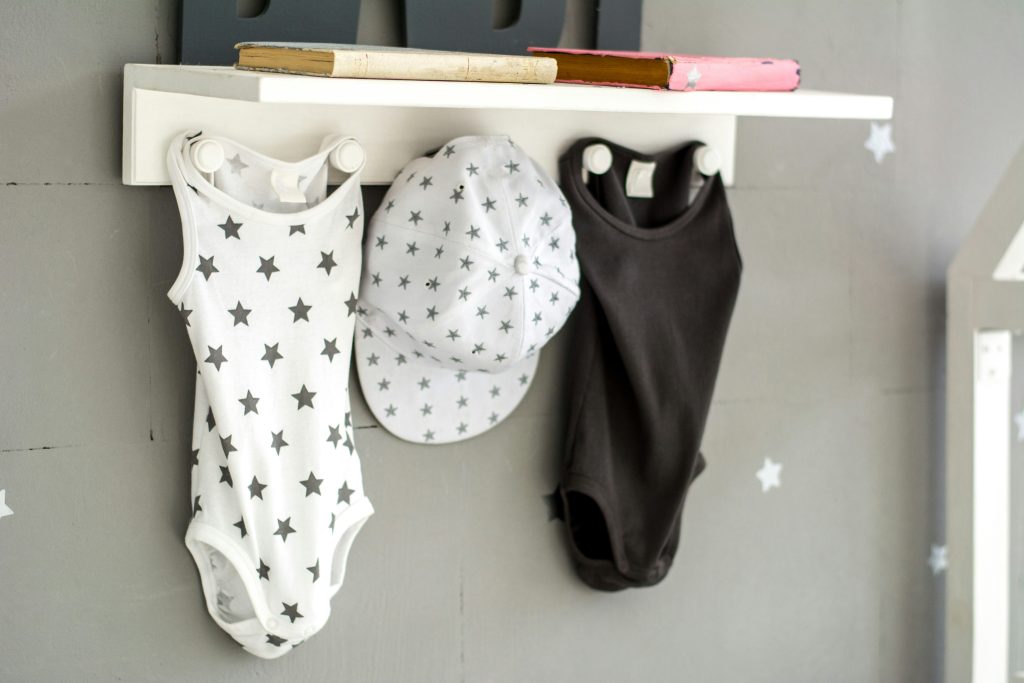
Dresses and rompers are best stored by folding gently or hanging to prevent wrinkles. Pajamas are easier when kept as sets—I fold the pants and tuck them into the folded top so that nighttime changes are quick and simple. This small habit has saved me so much time during late-night wake-ups.
FAQs About Folding and Organising Baby Clothes
1. How do you fold baby clothes to save space?
The two best space-saving methods are the KonMari folding method and rolling baby clothes. KonMari folding allows you to stand clothes upright in drawers, making every item visible at a glance while using less space. Rolling works especially well for pajamas, pants, and onesies because it creates compact little bundles that fit into even the smallest drawers or suitcases. Both methods prevent clutter and make it easier to keep your baby’s wardrobe organized.
2. Should I hang or fold baby clothes?
It depends on the type of clothing. Everyday items like onesies, bodysuits, pajamas, and leggings are best folded to save space. Bulkier items such as sweaters can be folded into compact squares, while delicate pieces like dresses, coats, or special occasion outfits are better hung. Hanging prevents wrinkles and helps clothes hold their shape, while folding maximises drawer space. Many parents, including myself, find a mix of both methods works best.
3. How do I organize baby clothes in a small nursery?
For small nursery storage ideas, creative solutions are essential. Use vertical space with floating shelves, over-the-door organisers, and hanging closet organisers. Multi-purpose furniture, such as a crib with drawers or a changing table with built-in shelving, adds hidden storage. Clear bins are also a great option because they let you store out-of-season clothes while still being able to see exactly what’s inside.
4. What’s the best way to store outgrown baby clothes?
Babies grow so quickly that outgrown clothes can pile up fast. The best way to store them is to fold items neatly, sort them by size and season, and place them in labelled bins. For long-term storage, vacuum-sealed bags save the most space and protect clothes from dust and moisture. Keeping a dedicated “outgrown bin” in the nursery makes the process simple; you can add items as soon as they no longer fit, then sort them later for donation, hand-me-downs, or storage.
5. How do I stop losing baby socks?
Baby socks seem to vanish mysteriously, but pairing and folding them together helps. I place one sock on top of the other and fold them into a little square before storing them. Another trick is to wash baby socks in a mesh laundry bag so they don’t get lost in the wash. Keeping socks in a small bin or drawer divider also ensures they stay visible and easy to find.
6. How often should I reorganize baby clothes?
I recommend reorganising every few weeks, or whenever you notice your baby has outgrown a size. Babies grow so quickly that their wardrobes need frequent updating. Having a clear system, like using closet dividers by size or keeping labelled storage bins, makes this process easier and less overwhelming.
7. Do I really need special organisers for baby clothes?
While you can manage without, organisers make life so much easier. Drawer dividers keep piles neat, closet dividers separate sizes, and clear bins give you visibility over what’s stored away. These tools save time, reduce clutter, and make your nursery look and feel calmer. They’re not essential, but they are practical investments for busy parents.
Conclusion: Streamlining Your Baby’s Wardrobe
Folding baby clothes may never be the highlight of parenting, but it is one of those small acts that bring order to the daily routine. With the right folding methods, smart storage systems, and a little consistency, the nursery becomes a calm and organized space. For me, the difference was transformative—no more frantic searches in the middle of the night, no more overflowing drawers, and far less stress overall.
If you’re ready to streamline your nursery, I’ve gathered my favourite storage tools and folding essentials that make this process simple and effective. Explore best baby clothing storage & folding essentials and create a nursery that feels calm, organized, and ready for every milestone. Begin with just one drawer today. Fold with intention, use the right tools, and watch how this small change transforms your daily routine. That little step brings more calm, more space, and a smoother day for you and your little one.

I’m Lily, mom of two and the person behind Little Ones World. I’ve been through the tough nights, the endless laundry, and the trial-and-error of baby gear. I write about what I’ve learned so far—what helped, what didn’t, and what might make things smoother for you.