
Table of Contents
Every parent faces the challenge of keeping their newborn comfortable during the hot summer months. Those tiny bodies seem so fragile, and the constant balancing act between preventing overheating and providing adequate sun protection can feel overwhelming for any new parent. The good news? Dressing a newborn for summer doesn’t have to be stressful; it just requires understanding the fundamentals and having the right approach.
The key to successful summer dressing lies in understanding that newborns can’t regulate their body temperature like adults can. Their delicate skin needs protection from harmful UV rays, yet they’re also prone to overheating in heavy fabrics or too many layers. Finding that sweet spot between protection and comfort becomes second nature once you understand the fundamentals.
How to dress your newborn in summer — light, breathable outfit tips to keep your baby cool, comfy, and protected in warm weather. Whether you’re expecting a summer baby or navigating your first warm season with a little one, this comprehensive guide will give you the confidence to keep your newborn cool, comfortable, and safely dressed for any summer adventure.
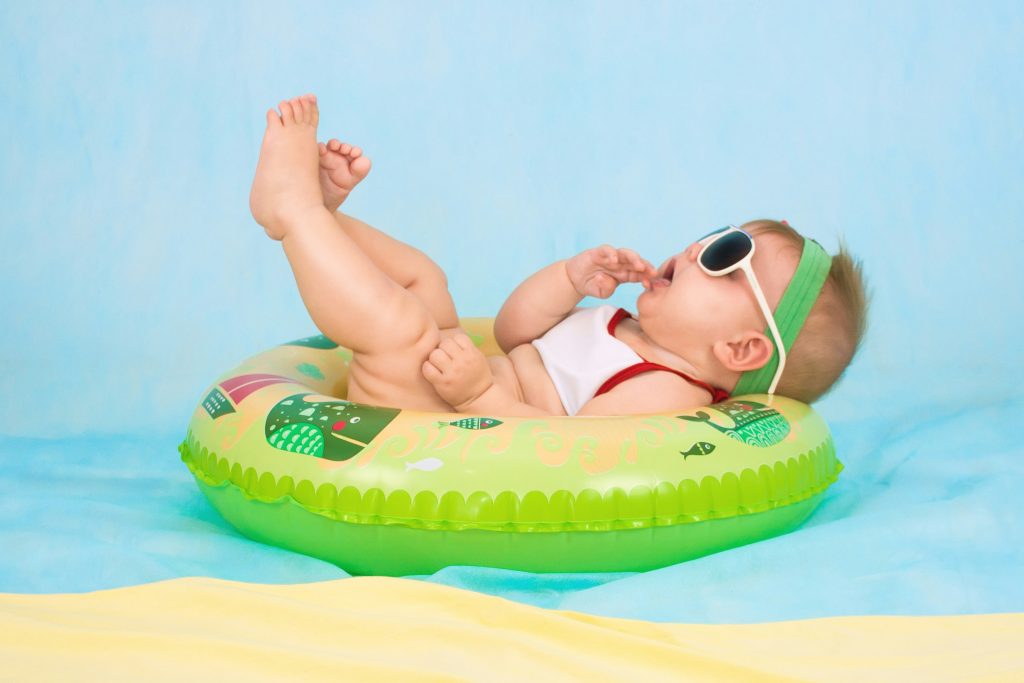
Understanding Newborn Temperature Regulation in Summer
Newborns have an immature thermoregulatory system, meaning they struggle to maintain their body temperature effectively. Unlike adults who can sweat to cool down or shiver to warm up, babies rely entirely on their environment and clothing to stay comfortable.
During my daughter’s first summer, I learned this lesson when she developed heat rash from being overdressed on a mild 75-degree day. Her pediatrician explained that newborns need approximately one additional layer than what an adult would wear comfortably, not the two or three layers I had been piling on out of worry.
This delicate balance becomes even more critical in summer when ambient temperatures can quickly lead to overheating. Signs of an overheated baby include flushed cheeks, rapid breathing, sweating, and fussiness. I always check my babies’ temperature by feeling the back of their neck—it should be warm but not hot or sweaty.
The Essential Summer Newborn Wardrobe
Lightweight Onesies: Your Summer Staple
Short-sleeve and sleeveless onesies in breathable cotton are the foundation of any newborn’s summer wardrobe. These versatile pieces work as standalone outfits for indoor comfort or as base layers when additional protection is needed.
Carter’s Just One You Organic Cotton Onesies have been my go-to choice for both my children. The organic cotton is incredibly soft against sensitive newborn skin, and it holds its shape beautifully even after countless washes. The envelope necklines make diaper changes easier, which is crucial when you’re doing 10+ changes per day in those early weeks.
I recommend having at least 8-10 onesies in newborn size, as summer babies tend to go through multiple outfit changes due to diaper blowouts, spit-up, and the general messiness of infant life, combined with frequent clothing adjustments for temperature control.
Breathable Sleep Solutions for Warm Nights
Summer sleep can be challenging for newborns who are used to the cozy confines of the womb. The key is choosing sleepwear that maintains comfort without overheating.
Halo SleepSack Cotton Wearable Blankets in the lightest tog rating (0.5) have been lifesavers during hot nights. These replace loose blankets while providing just enough coverage to help babies feel secure without overheating. The cotton fabric breathes beautifully, and the zippered design makes middle-of-the-night diaper changes manageable.
For particularly warm nights, a simple cotton onesie might be sufficient sleepwear. I learned to gauge the right amount by checking my baby’s room temperature with a reliable thermometer and adjusting accordingly.
Sun Protection Essentials
Protecting newborn skin from UV rays is non-negotiable, but it requires thoughtful product selection since sunscreen isn’t recommended for babies under six months.
Sunday Afternoons Sun Hat for Babies provides excellent coverage with its wide brim and chin strap to keep it secure. The lightweight fabric doesn’t add heat burden while offering crucial protection for your baby’s face and neck.
For body coverage, find a baby beach cover-up that offers UPF 50+ protection in a lightweight, breathable fabric. These pieces will be perfect for beach days or extended outdoor time when shade isn’t always available.
Fabric Selection: What Works Best in Heat
Natural Fibers vs. Synthetic Options
Cotton, particularly organic cotton, remains the gold standard for newborn summer clothing. It’s breathable, soft, and naturally moisture-wicking. Muslin cotton is especially wonderful for its loose weave that promotes airflow.
Bamboo fabrics have gained popularity for their natural antibacterial properties and exceptional softness. Little Sleepies Bamboo Viscose Pajamas feel incredibly smooth against the skin and regulate temperature beautifully, though they require more careful washing.
Avoid synthetic blends that don’t breathe well, such as polyester-heavy fabrics. These can trap heat and moisture against your baby’s skin, leading to discomfort and potential rashes.
Color and Pattern Considerations
Light colors reflect heat better than dark ones, making them ideal for summer wear. However, I’ve found that very light colors show stains more easily—a significant consideration with newborns who spit up frequently.
Soft pastels and medium tones offer a good balance of heat reflection and practicality. Small patterns can help camouflage minor stains while still maintaining that adorable newborn aesthetic we all love.
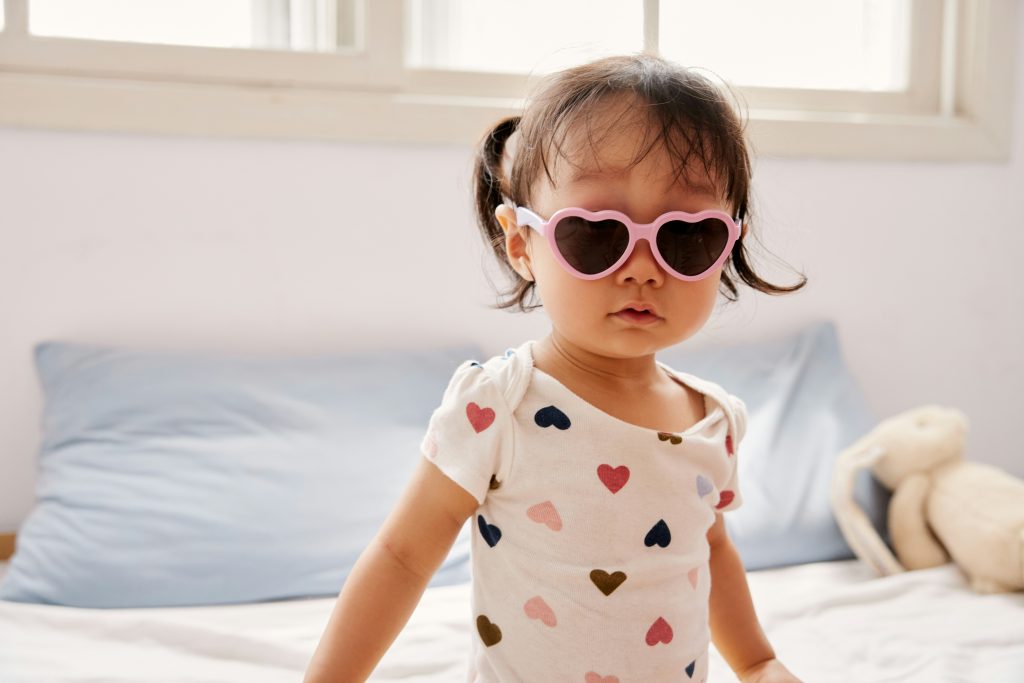
Layering Strategies for Variable Summer Weather
Summer weather can be unpredictable, with air-conditioned indoor spaces, warm cars, and hot outdoor temperatures all part of a single outing. Mastering the art of layering helps you adapt quickly to changing conditions.
The Base Layer System
Start with a lightweight onesie as your base layer. This can stand alone for warm indoor environments or serve as the foundation for additional pieces as needed.
Gerber Organic Short-Sleeve Onesies in multipacks provide excellent value and reliability. Their simple design makes them perfect base layers that work with any additional pieces you might add.
Transitional Pieces
A lightweight cardigan or kimono-style jacket provides easy temperature adjustment without the bulk of traditional sweaters. Look for pieces with snap or magnetic closures for quick changes.
Magnetic Me Modal Magnetic Kimono offers incredibly soft modal fabric with convenient magnetic closures. These pieces add coverage when needed but come off easily if the baby gets too warm.
Comparison of Summer Baby Clothing Essentials
| Item Type | Best Materials | Key Features | Temperature Range | Price Range |
| Onesies | Organic cotton, muslin | Envelope neck, snap closure | 70-85°F | $15-35 for 3-pack |
| Sleep sacks | Cotton, bamboo | Low tog rating, zippered | 68-78°F room temp | $20-40 each |
| Sun hats | Cotton, linen | Wide brim, chin strap | All outdoor temps | $15-30 each |
| Cover-ups | Cotton, bamboo | UPF protection, lightweight | 75-90°F | $25-50 each |
| Cardigans | Cotton knit, modal | Easy closures, breathable | 65-75°F | $20-45 each |
Health and Safety Considerations
Recognizing Overheating Signs
Learning to identify overheating quickly is crucial for newborn safety. Beyond checking the back of the neck, watch for excessive fussiness, red or flushed skin, rapid breathing, and lethargy.
During my son’s first summer, I became overly cautious about air conditioning, worrying he’d get too cold. However, I learned that a comfortably cool indoor environment (around 70-72°F) is actually ideal for newborns when dressed appropriately.
Safe Sleep in Summer
Summer sleep safety requires extra attention to room temperature and sleepwear choices. The American Academy of Pediatrics recommends room temperatures between 68-70°F for safe infant sleep.
Use a room thermometer to monitor conditions, and adjust your baby’s sleepwear accordingly. A onesie and lightweight sleep sack typically work well in properly climate-controlled rooms.
Hydration and Feeding Considerations
Breastfeeding babies typically don’t need additional water, even in hot weather, as breast milk adjusts to meet hydration needs. However, nursing mothers should increase their own fluid intake during hot weather.
Formula-fed babies may need slightly more frequent feedings in very hot weather, but additional water isn’t necessary and can actually be dangerous for newborns. Always consult your pediatrician about feeding adjustments in extreme heat.
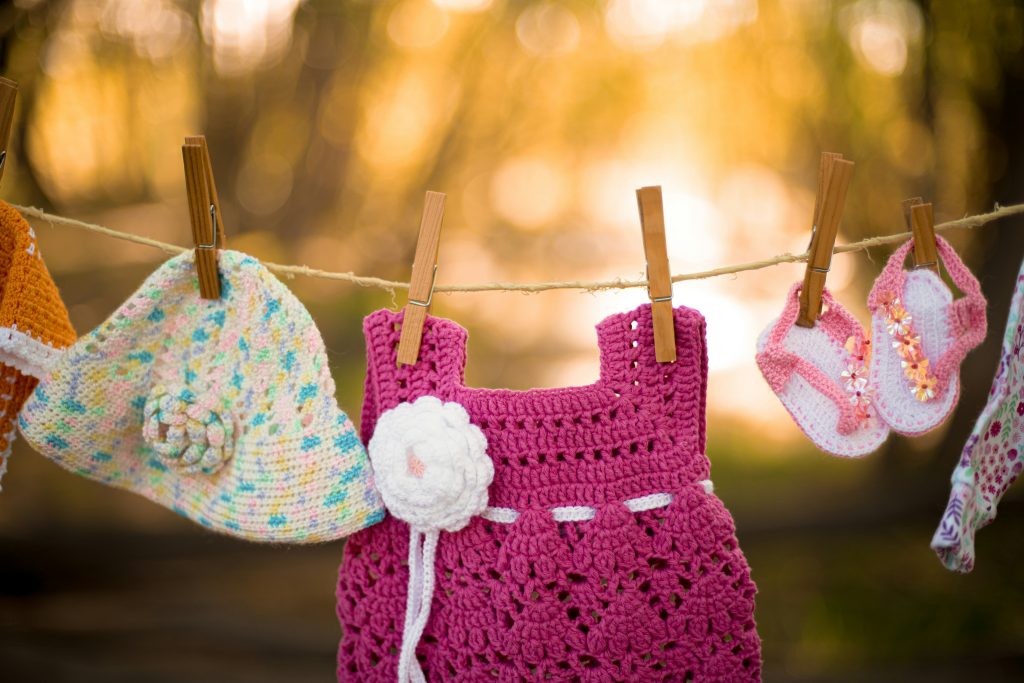
Shopping Guide for Summer Newborn Clothes
Budget-Friendly Options
Target’s Cat & Jack Newborn Line offers excellent quality basics at affordable prices. Their organic cotton options provide comfort without the premium price tag.
H&M Baby Conscious Collection features sustainably-made pieces in soft, breathable fabrics. Their simple designs work well for mixing and matching.
Premium Choices
Petit Bateau offers exceptional quality cotton pieces that hold up beautifully through multiple children. While pricier, their durability makes them worthwhile investments.
Noodle & Boo provides luxury comfort with their ultra-soft bamboo and organic cotton blends. These pieces feel incredibly smooth against sensitive skin.
Online vs. In-Store Shopping
Online shopping offers convenience and often better selection, but sizing can be tricky with newborn clothes. I recommend ordering multiple sizes initially and returning what doesn’t fit.
In-store shopping allows you to feel the fabric quality and check construction details, which is particularly important for newborn items that will be washed frequently.
Care and Maintenance of Summer Baby Clothes
Washing Best Practices
Use a gentle, fragrance-free detergent specifically designed for baby clothes. Seventh Generation Baby Detergent effectively removes stains while remaining gentle on sensitive skin.
Wash in cool water to prevent shrinkage and preserve fabric integrity. Hot water can be particularly damaging to delicate summer fabrics like muslin and bamboo.
Stain Prevention and Removal
Summer brings unique staining challenges, from sunscreen to increased sweating and more frequent feeding.
Pre-treat stains immediately with baby-safe stain removers. Dreft Stain Remover works well on organic stains like spit-up and food.
For sunscreen stains, which can be particularly stubborn, pre-treat with dish soap before washing. The degreasing properties help break down the oils in sunscreen.
Storage and Organization
Rotate seasonal clothing as your baby grows quickly during their first year. Store off-season items in breathable containers to prevent moisture buildup.
Clear storage bins help you easily identify contents when it’s time to transition to the next size. Cedar blocks can help deter insects without harsh chemicals.

Frequently Asked Questions
1. How do I know if my newborn is too hot or too cold?
Check the back of their neck and tummy—these should feel warm but not hot or sweaty. Hands and feet are not reliable indicators as they naturally run cooler. Flushed cheeks, rapid breathing, and fussiness can indicate overheating.
2. Can I use sunscreen on my newborn?
Sunscreen isn’t recommended for babies under 6 months. Instead, rely on protective clothing, hats, and shade. For unavoidable sun exposure, small amounts of zinc oxide sunscreen can be applied to exposed areas like hands and face.
3. How often should I change my baby’s clothes in summer?
Plan for 2-3 outfit changes daily during hot weather. Increased sweating, more frequent feeding, and general summer activities often require more changes than cooler seasons.
4. Is it safe to dress my baby in just a diaper during very hot weather?
For short periods indoors in appropriately cooled environments, this can be acceptable. However, babies generally feel more secure with at least a light onesie, and clothing provides protection from scratching and environmental irritants.
5. What’s the ideal room temperature for a summer baby?
Maintain room temperatures between 68-72°F for optimal comfort and safe sleep. Use a reliable room thermometer rather than relying on thermostat readings, which may not reflect the actual temperature in your baby’s sleep area.
6. How do I prevent my baby from getting too cold in the air conditioning?
Dress them in one light layer more than what adults find comfortable. A onesie plus a light cotton blanket or sleep sack usually provides adequate warmth in air-conditioned spaces.
Embracing the Journey
Dressing your newborn for summer will become intuitive with experience. Each baby is unique, and you’ll learn your little one’s specific comfort preferences through observation and gentle experimentation.
The most important thing to remember is that you’re doing a wonderful job. Summer parenting comes with unique challenges, but it also offers incredible opportunities for bonding and creating beautiful memories together.
Trust your instincts, stay informed about safety guidelines, and don’t be afraid to ask for help when you need it. Your baby is fortunate to have a parent who cares so deeply about their comfort and well-being.

I’m Lily, mom of two and the person behind Little Ones World. I’ve been through the tough nights, the endless laundry, and the trial-and-error of baby gear. I write about what I’ve learned so far—what helped, what didn’t, and what might make things smoother for you.