Table of Contents
When I was pregnant with my first, I remember standing in Target’s baby section feeling completely overwhelmed. How many onesies did I actually need? Would my baby live in sleepers for the first few months? And why were there so many different sizes that seemed to overlap?
Fast forward six years and two babies later, and I’ve learned that preparing your little one’s wardrobe doesn’t have to be rocket science. The key is finding that sweet spot between having enough clothes to keep your baby comfortable without turning your nursery into a mini department store.
How many baby clothes do i need — Learn practical tips on building the perfect baby wardrobe without overbuying or running out mid-week. Let me walk you through everything I wish I’d known before bringing my babies home – from the must-have quantities to the sneaky sizing secrets that nobody warns you about.
Understanding Baby Clothes Sizes: The Reality Check Every New Parent Needs
Here’s the thing about baby clothes sizing that caught me completely off guard: it’s more like a rough suggestion than an exact science. When my first was born at 7 pounds, 2 ounces, I thought I had it all figured out with my stack of “newborn” sized clothes.
Surprise! She fit into 0-3 month clothes right from day one, and those precious newborn outfits I’d carefully selected? Most of them never made it out of the drawer.
The Baby Clothes Size Timeline (From Real Experience)
The newborn size, designed for babies up to 7-8 pounds, is often the most misleading category in baby clothing. During my first pregnancy, I carefully selected the most adorable newborn outfits, imagining those precious first weeks in tiny clothes. The reality? My baby wore exactly three of those outfits before they became too small. Most babies, even those born at average weights, skip the newborn size entirely or outgrow it within just a few weeks. Unless your doctor has specifically mentioned you’re expecting a smaller baby, I’d recommend buying only 2-3 newborn pieces and focusing your energy elsewhere.
The 0-3 month size becomes your absolute workhorse during those early days. Designed for babies up to 12-13 pounds, these clothes typically last 2-4 months and see the most wear of any size you’ll purchase. This is where I learned to invest in quality basics because they’ll be worn, washed, and worn again countless times. My first practically lived in her 0-3 month onesies and footed sleepers, and looking back, I should have bought even more of this size instead of spreading my purchases across multiple sizes.
When babies reach the 3-6 month stage, weighing between 13-16 pounds, their personalities start emerging, and they become much more active. This phase typically lasts 3-4 months, and it’s when comfort becomes absolutely crucial. My first started rolling and spending more time on her tummy during this period, so I learned to prioritize soft, non-restrictive clothing over the more structured outfits I’d initially gravitated toward. This is also when I started introducing more variety in textures and styles since she was awake and alert for longer periods.
The 6-9 month phase brings new challenges as babies begin exploring mobility. My second-born started army crawling right at 6 months, and suddenly the knees of his pants were wearing thin within days. I quickly learned that durability matters more than I’d anticipated, and having backup pants became essential. This stage, lasting about 3-4 months for babies weighing 16-20 pounds, is when you’ll really appreciate clothes designed for active babies.
As babies approach their first birthday in the 9-12 month size range, they’re preparing for walking and asserting their independence. This size typically fits babies weighing 20-24 pounds for about 3-4 months, and it’s when shoes finally become more than just cute accessories. The freedom that comes with mobility means choosing clothes that can handle outdoor adventures and playground fun.
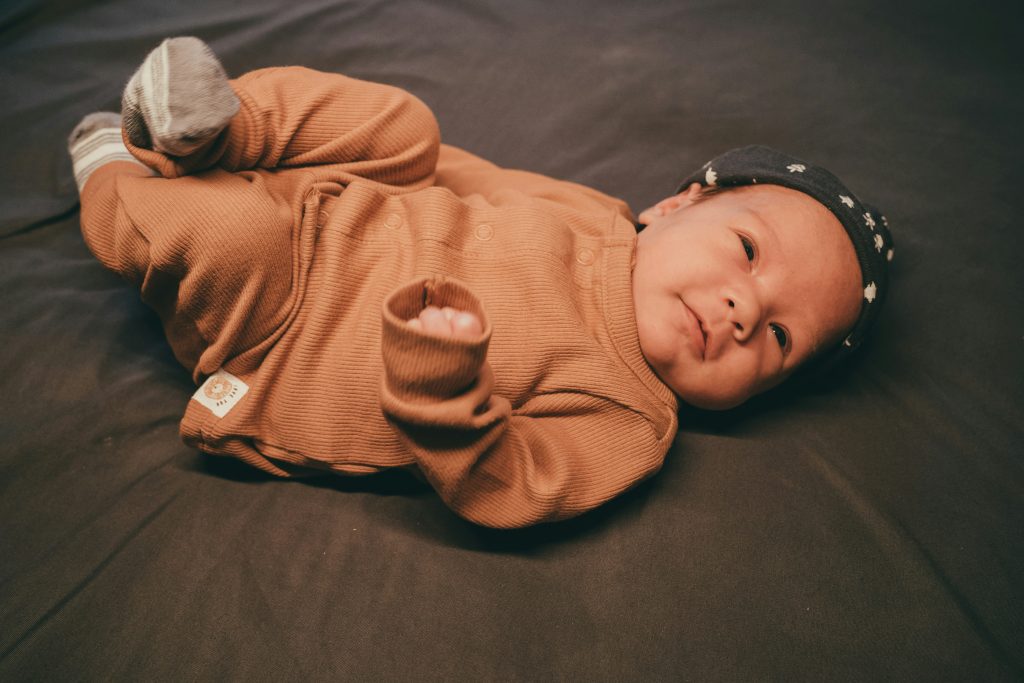
The Essential Baby Wardrobe: My Tried-and-True Quantities
After going through two completely different babies, I’ve landed on these numbers that work for most families:
Daily Essentials Breakdown
| Item Type | Newborn | 0-3M | 3-6M | 6-9M | 9-12M |
| Onesies/Bodysuits | 3-4 | 8-10 | 7-8 | 6-7 | 6-7 |
| Sleep Suits/Footed PJs | 3-4 | 6-8 | 5-6 | 5-6 | 4-5 |
| Pants/Leggings | 2-3 | 5-7 | 6-7 | 6-7 | 6-8 |
| Socks | 6 pairs | 8 pairs | 8 pairs | 10 pairs | 12 pairs |
| Hats | 2 | 2 | 2 | 2 | 2 |
| Sleep Sacks | 2-3 | 2-3 | 2-3 | 2-3 | 2-3 |
Why These Numbers Work
These quantities represent the sweet spot I discovered after going through two very different babies and countless laundry cycles. The numbers are specifically calculated for families who do laundry every 2-3 days, which I’ve found to be the most realistic schedule for new parents. Let’s be honest, daily laundry sounds great in theory, but between feeding schedules, diaper changes, and trying to squeeze in a shower, it doesn’t always happen.
I’ve built in what I call the “blowout buffer” into these quantities. The extra pieces aren’t just backup – they’re sanity savers for when everything goes wrong at once.
One thing I discovered was that having too many clothes can actually make life more complicated. When my first was a baby, well-meaning relatives gifted us mountains of clothing, and I found myself washing items that had barely been worn just to get through the pile. Babies grow so quickly that excess clothing often gets outgrown before it’s even worn, which feels wasteful and overwhelming.
The quantities I recommend also account for different seasons and growth spurts. My first hit a major growth spurt right at 4 months, seemingly overnight, growing out of her 3-6 month clothes. Having adequate supplies in the next size up meant I wasn’t frantically shopping while dealing with a fussy baby who suddenly had nothing comfortable to wear. These numbers give you breathing room to handle the unexpected while maintaining a manageable wardrobe.
Seasonal Considerations: Dressing Your Baby Year-Round
One of the most eye-opening realizations during my journey with my first was how quickly seasons change relative to baby growth patterns. What I didn’t anticipate was that she’d move through multiple clothing sizes as the seasons changed, making my careful seasonal planning somewhat irrelevant.
Spring babies, born between March and May, present unique challenges because you’re transitioning from winter to summer across multiple growth spurts. I learned to focus heavily on layering pieces during this time, lightweight cardigans, thin long-sleeve onesies, and versatile pants that could work in varying temperatures. The key insight I wish I’d known earlier is that most spring babies will reach their summer clothes phase in the 3-6 month size range, not newborn as I’d initially planned.
Summer babies have their own set of considerations. The heat and humidity made breathable fabrics essential, and I quickly learned that cotton wasn’t always the answer. Some cotton blends trap heat and moisture, making the baby uncomfortable and cranky. The Halo SleepSack Wearable Blanket in lightweight muslin is a saving grace during sweltering nights – it keeps babies comfortable without the overheating concerns that come with traditional blankets. I also discovered that having too many clothes during the summer months was counterproductive since babies are more comfortable with fewer layers.
Fall babies, born between September and November, face the challenge of rapidly dropping temperatures across their growth spurts. With my first, I learned that preparing for sudden temperature changes was crucial. One day might be warm enough for short sleeves, while the next requires layers and warm pants. Investment pieces like quality cardigans and sleep sacks became particularly valuable because they could span multiple sizes and temperature ranges.
Winter babies require the most strategic planning, and I’ve seen many parents struggle with overheating issues despite the cold weather. Indoor heating can make homes quite warm, so the key is having clothes that can be easily adjusted. Footed sleepers become absolute lifesavers during winter months because they eliminate the need for separate socks (which inevitably get lost) while providing consistent warmth. The Carter’s Fleece Sleep and Play Sets are perfect for this, warm enough for chilly mornings but not so heavy that he overheats once the heat kicks in.
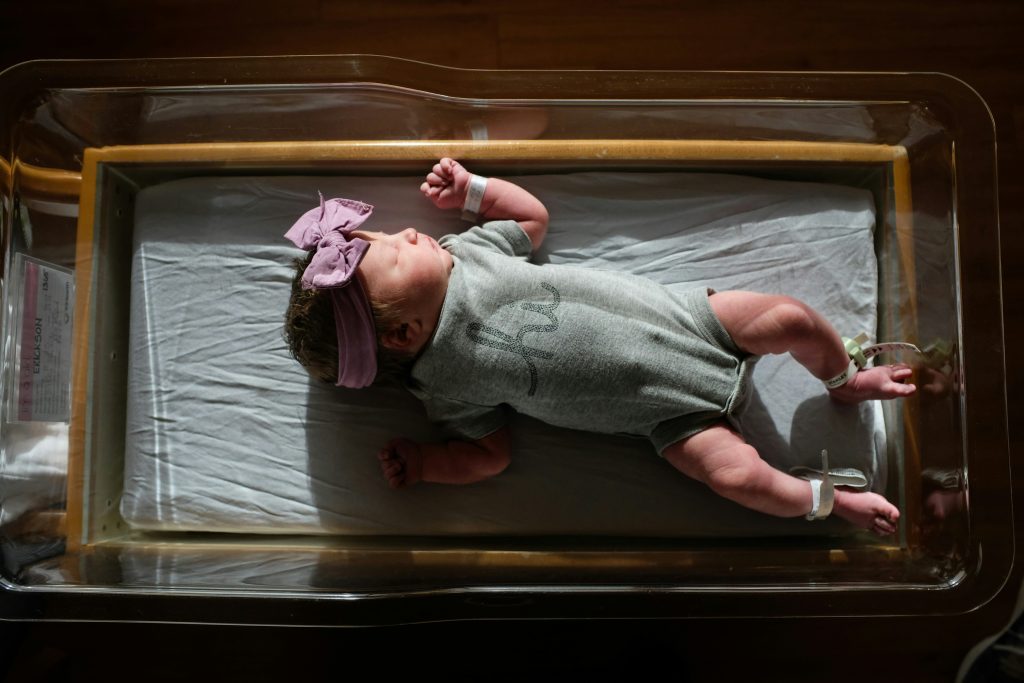
The Newborn Stage: What You Actually Need in the Hospital
Looking back at my hospital packing for my first, I’m almost embarrassed by how much I overpacked. I had filled an entire suitcase with baby clothes, convinced that I needed options for every possible scenario. The reality was much simpler.
The hospital stay typically lasts 2-3 days for vaginal deliveries and 3-4 days for cesarean sections, yet I had packed enough clothes for a week-long vacation. What I actually used were the basics: comfortable sleepers that made diaper changes easy, simple onesies for layering, and one special going-home outfit that I’d chosen for photos. Everything else sat unused in the suitcase while my baby lived comfortably in the hospital’s provided clothes most of the time.
The most important lesson I learned was about sizing flexibility during the hospital stay. Temperature regulation in hospitals is another crucial consideration. Hospitals tend to run cool, and babies lose heat quickly in those first days. Having extra socks is more important than having multiple outfits, and footed sleepers are far more practical than separate pieces. The Honest Company Organic Cotton Footed Pajamas became my go-to choice because they were soft enough for sensitive newborn skin, easy for nurses to work with during checkups, and photographed beautifully for those precious first moments.
The going-home outfit deserves special attention because it often becomes a keepsake item in baby books and photo albums. I made the mistake of choosing something complicated for my first – a three-piece set with tiny buttons and separate socks that took forever to put on while she was crying. For my second, I chose a simple but special footed sleeper in a beautiful color, and the experience was much more pleasant. The key is finding something that feels special to you while remaining practical for a potentially fussy baby and nervous new parents.
Building Your Laundry Strategy: The Real Game Changer
After two babies and countless loads of tiny clothes, I’ve realized that your approach to laundry will dictate your clothing needs more than any other factor. This might seem obvious, but it’s something parents underestimate. Most people focus so much on having the right quantities of clothes that they don’t consider how their laundry habits would need to adapt to life with a baby.
During my firstborn’s early days, I fell into a daily laundry routine almost by accident. Between the frequent outfit changes from spit-up, diaper leaks, and general baby messiness, I found myself throwing clothes in the washer every evening just to keep up. This routine actually became a stress reliever – it gave me a sense of accomplishment when everything else felt chaotic, and I never had to worry about running out of clean clothes. The daily approach meant I could get by with fewer total pieces, which reduced clutter in the nursery and simplified my choices each morning.
However, the daily laundry approach isn’t sustainable for everyone. You can adjust your strategy to accommodate batch washing every 2-3 days, which means investing in larger quantities of basics. There’s no one-size-fits-all approach – your laundry strategy needs to match your family’s reality, not some idealized version of new parent life.
Babies who weigh on the lighter side of the scale may go through more outfits in a day due to their delicate digestive systems. Expect to do laundry more frequently than you might for older children or adults, possibly every day or every other day. Stock up on mild, fragrance-free detergent that is suitable for babies’ sensitive skin, and ensure you have ample clothing so you are not caught without clean items while waiting for the washing cycle to finish.
Selecting the Right Laundry Detergent for Baby Clothes
Choosing the right laundry detergent is crucial when it comes to caring for your baby’s garments. After trying numerous brands and dealing with my baby’s sensitive skin reactions, I settled on Seventh Generation Free & Clear Baby Laundry Detergent for its gentle formula that still tackled tough stains. Opt for a hypoallergenic, dye-free, and fragrance-free detergent that’s formulated specifically for infants. This ensures that the clothing remains soft and safe for your baby’s skin without unnecessary additives that can cause discomfort or allergic reactions.
Special Occasions and Photo-Ready Outfits
For special occasions, aim for 3-5 fancy outfits. These should be comfortable yet stylish, and you can adjust their size for future use. I learned this lesson the hard way when my first outgrew her adorable Easter dress before Easter actually arrived. Here’s my approach to special occasion dressing:
The Special Occasion Strategy
- 2-3 dressier outfits per size
- Buy special occasion clothes just before you need them
- Consider rental options for one-time events (yes, this exists for babies!)
Photo-Ready Everyday Clothes
Instead of buying separate “photo outfits,” invest in everyday clothes that photograph well. Solid colors, simple patterns, and well-fitting basics will look great in pictures and get regular wear.
The Great Sizing Debate: Newborn vs. 0-3 Months
This is probably the most common question of expecting moms, and my answer might surprise you: skip most newborn sizes unless you have a specific reason to buy them.
When to Buy Newborn Sizes:
- Your baby is predicted to weigh under 7 pounds
- You’re having multiples
- You want a few special pieces for those first photos
When to Focus on 0-3 Months:
- Average birth weight predictions (7+ pounds)
- You want maximum wear time from your investment
- You’re shopping sales and need to plan ahead
Storage and Organization: Keeping Sanity in the Chaos
Efficient storage solutions for outgrown baby clothes can help keep your home organized and make it easier to find the right sizes when you need them. Here’s my system that actually works:
The Three-Bin System
- Current size bin – easily accessible in the nursery
- Next size up bin – stored but accessible
- Outgrown bin – for donation or saving
SONGMICS Storage Bins with Lids have been absolute lifesavers for this system. They’re clear so I can see what’s inside, stackable to save space, and sturdy enough to handle frequent use.
Sizing Up: Outfit Essentials from 0 to 12 Months
As your baby grows, their wardrobe will evolve. From 0 to 12 months, essential items like footie pajamas and socks are key to keeping your baby warm. Look for bodysuits with wide neck openings and snaps for easy changes, and opt for garments that will accommodate your baby’s increased activity. The Honest Company carries versatile baby clothes that provide both comfort and functionality for every stage of your baby’s growth.
Prioritizing Comfort and Functionality in Baby Attire
Comfort and functionality should be the priority in baby clothing. Soft fabrics and roomy fits will support your baby’s growth and development. Footie pajamas are a staple, as they keep the baby warm from head to toe, reducing the need for additional layers. Bodysuits with snap closures or envelope folds at the shoulders are convenient for dressing and undressing your baby.
Common Baby Clothes Mistakes I Made (So You Don’t Have To)
Mistake #1: Buying Too Many Newborn Outfits
My first wore exactly three newborn-sized items. The rest sat in her drawer, tags still on, until I finally donated them.
Mistake #2: Ignoring the Season-Size Connection
I bought my first beautiful summer dresses in 6-9 month sizes, not realizing she’d hit that size in October.
Mistake #3: Prioritizing Cute Over Practical
Those adorable outfits with tiny buttons and complicated snaps? They stayed in the closet while we lived in simple snap-front onesies and zip-up sleepers.
Mistake #4: Not Considering My Lifestyle
I bought so many “going out” outfits for my first, not realizing that for the first few months, we’d barely leave the house. Know your reality and shop accordingly.
Frequently Asked Questions
1. How many baby clothes do I need if I plan to do laundry daily?1
You can get by with 5-6 onesies, 4-5 sleepers, and 3-4 pants per size. I’d still recommend having a few extras for those unexpectedly messy days!
2. Do I really need different clothes for day and night?
Not necessarily! For the first few months, footed sleepers work perfectly for both day and night. As your baby gets older and stays awake longer, you might want to differentiate more.
3. How many newborn clothes should I buy?
Start with just 3-4 basic outfits in newborn size. You can always buy more if needed, but many babies skip this size entirely.
4. When should I start buying the next size up?
Start shopping when your current clothes are getting snug but not tight. This gives you time to find sales and ensures you’re not caught without options.
5. Are expensive baby clothes worth it?
For basics that get heavy use (like onesies and sleepers), mid-range quality is usually fine. Splurge on items you’ll use frequently or want to save for future babies.
6. How do I handle growth spurts?
Keep one size ahead in basics. If your baby suddenly shoots up, you won’t be caught completely unprepared. Growth spurts are normal and often happen overnight!
The Bottom Line: Trust Your Instincts
Navigating the world of baby clothes can feel like one of those endless to-do lists, but it doesn’t have to be stressful. By focusing on the basics and keeping things simple, you can easily build a wardrobe that covers all the essentials for your little one. Remember, parenting doesn’t come with a set of rules; what works for one family might not work for another, and that’s okay! So, don’t feel pressured to have everything figured out all at once. Take it slow, trust your instincts, and know that you’ve got this!
The first year is filled with moments, both sweet and challenging, that will pass by in the blink of an eye. And while those sleepless nights might seem never-ending, they’re also the ones that come with all the giggles, growth, and love. Keep things flexible, and most importantly, enjoy the ride!

I’m Lily, mom of two and the person behind Little Ones World. I’ve been through the tough nights, the endless laundry, and the trial-and-error of baby gear. I write about what I’ve learned so far—what helped, what didn’t, and what might make things smoother for you.