Table of Contents
The early years of parenthood are full of excitement and joy, and one of the most magical milestones is seeing your little one take those first wobbly steps. There’s something truly heartwarming about watching your baby go from crawling to walking on their own, and every parent treasures this moment. But as your little explorer begins this new adventure, picking the right shoes becomes more than just a fashion choice; it’s about supporting their tiny, growing feet.
When it comes to picking the best shoes for new walkers, it’s not just about looking adorable (though that’s definitely a bonus!). The right shoes should provide the right mix of comfort, stability, and support to help your child confidently navigate this big milestone. I know it can feel a bit overwhelming with all the options out there, but don’t worry—I’ve got you covered.
In this article, I’ll walk you through all the things you need to know about choosing the perfect shoes for your little one. From the must-have features to look for to my top shoe recommendations, plus some handy tips on shoe care, I’ll help make this decision just a little bit easier. Let’s get those tiny feet ready for their next big adventure!
Why the Right Shoes Matter for New Walkers
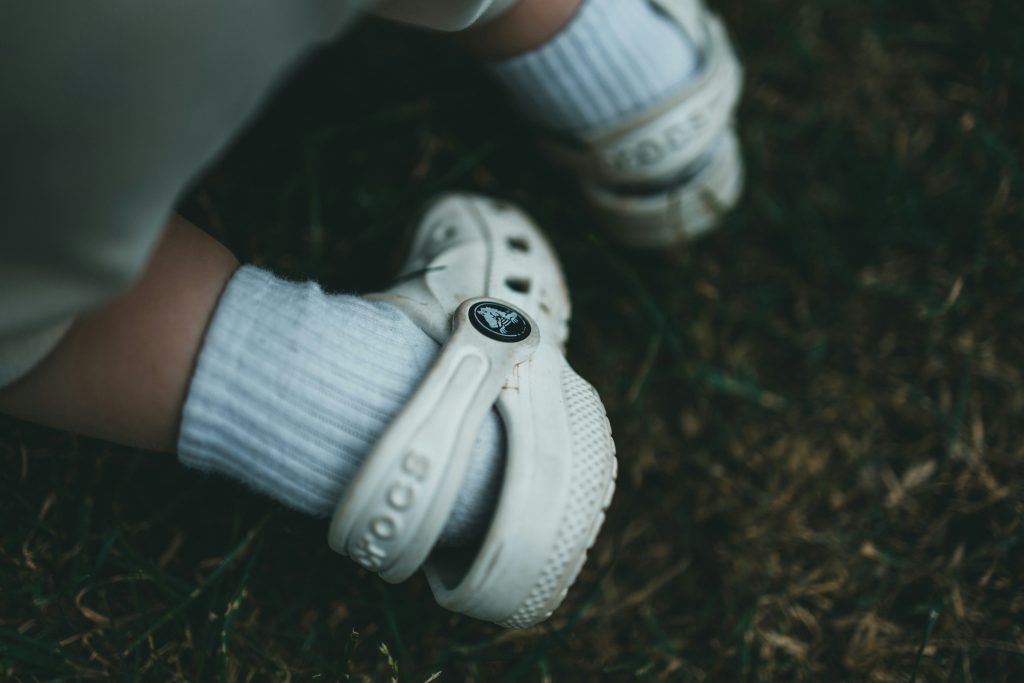
When your baby starts walking, their feet are still developing, making it essential to choose shoes that offer comfort, support, and proper fit. Poorly fitting shoes can restrict natural movement, cause discomfort, and hinder foot growth. Choosing the right footwear helps your child walk confidently while allowing them to explore the world with ease.
I remember when my youngest took her first steps—she was so excited! However, I quickly realized how important it was to find shoes that provided the right support. The first pair I bought, though cute, were too stiff, and I noticed her struggling to move. After switching to a more flexible, breathable pair, I saw a huge difference in her confidence and comfort.
In the early stages of walking, toddlers are learning balance, coordination, and confidence. Proper shoes provide the stability they need for safe movement. Shoes that fit properly, without being too rigid or large, allow for better support and natural foot development. Look for shoes that offer flexibility, breathability, and the right fit to ensure healthy foot growth.
What to Look for in the Best Shoes for New Walkers
When shopping for shoes for your new walker, several key features are essential. Let’s break down what you should look for to ensure the shoes you choose will provide the right support, comfort, and stability.
1. Flexibility and Comfort
For new walkers, shoes need to be flexible. Stiff shoes can restrict foot movement, which is crucial for your child as they learn to balance and walk. Flexible shoes will bend with your child’s feet, helping them walk more naturally.
Pro Tip: When shopping for shoes, press the shoe between your hands. It should bend easily, especially at the toe area, to allow for proper flexion when walking.
Flexibility is particularly important when your toddler starts moving on various surfaces. Whether they’re indoors on hardwood floors or outdoors on grass, shoes that move with their feet will help them maintain better control and balance.
2. Breathable and Soft Materials
Toddlers’ feet are still growing, and they can get sweaty quickly, so comfort is key. I remember when my little one started walking, her first pair of stiff shoes left her fussy and red around the toes. That’s when I switched to soft, breathable options like leather or cotton, and it made a world of difference.
Pro Tip: Leather and soft fabrics like cotton or mesh are breathable options that will keep your toddler’s feet comfortable and dry. Ensure the shoes are lined with breathable material to avoid excess sweating and irritation.
In addition to being breathable, the materials should be soft and flexible, preventing irritation, especially in the heel or toe area. Shoes that are too rigid can restrict your little one’s foot development and make them uncomfortable during their first walking experiences.
3. Non-slip Soles
One of the most important features of shoes for new walkers is non-slip soles. As your toddler is learning to walk, they’ll need shoes that offer traction on various surfaces to prevent slipping. Rubber soles with textured grips are ideal for providing stability and safety as your child navigates slippery floors, tiles, or outdoor terrain.
Pro Tip: Look for shoes with grooves or patterns on the soles. These grooves help distribute the child’s weight evenly, providing better grip and reducing the likelihood of falls.
Non-slip soles are especially important for toddlers who are walking on smooth indoor floors or outside on slick sidewalks or grass. Shoes with durable rubber soles ensure that your child can maintain their footing and avoid any unnecessary tumbles.
4. Proper Fit
The fit of a shoe is the most important factor in ensuring comfort and stability. Shoes that are too tight can cause discomfort, blisters, or even developmental issues. Shoes that are too loose can lead to instability and tripping. I learned this when my first toddler kept stumbling in a pair that looked “just right” but was actually a bit too roomy; switching to the correct size made walking so much easier and safer
Pro Tip: To measure your child’s feet at home, use a soft tape measure to find the length of their foot. Always leave about half an inch of room at the front of the shoe to allow space for the toes to move comfortably.
5. Lightweight Design
Heavy shoes can make it difficult for toddlers to walk properly. The right shoes should feel lightweight, which allows your child to move more freely and with ease. A lightweight shoe ensures that your toddler can walk without feeling like their feet are weighed down.
Pro Tip: Pick up the shoe and feel its weight. If it feels heavy to you, it might be too heavy for your child. The goal is to provide the support they need without slowing them down.
A lightweight design also helps with comfort—no toddler wants to feel like they’re dragging their shoes behind them! It’s important for your baby to be able to move naturally and comfortably, so avoid shoes that feel bulky or heavy.
Top Picks for the Best Shoes for New Walkers
Now that you know which features to look for, let’s dive into the top picks for the best shoes for new walkers. These shoes provide a combination of comfort, flexibility, support, and style, ensuring your child’s feet are well taken care of during their early walking journey.
1. Stride Rite Soft Motion
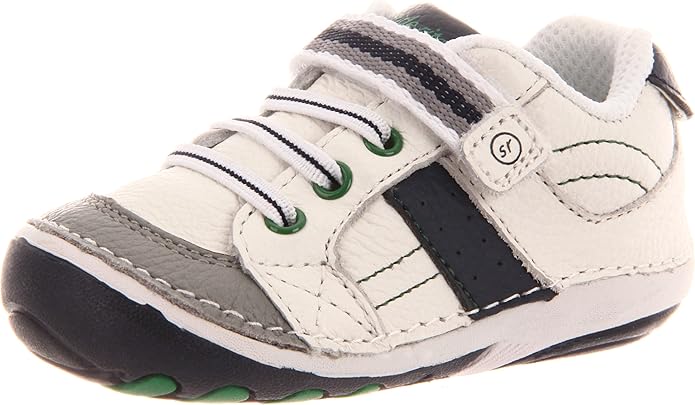
Stride Rite is a leading brand in children’s footwear, and its Soft Motion line is specifically designed for new walkers. The shoes feature a flexible rubber sole and a breathable leather upper, providing both comfort and support. The soft construction allows for natural movement while providing the necessary support.
Why You’ll Love It: These shoes are lightweight, easy to put on, and come in a variety of fun designs. The hook-and-loop closure makes them easy to adjust, ensuring a secure fit for growing feet.
Sizes Available: 3-6 months, 6-9 months, 9-12 months, 12-18 months.
Best For: Comfort, flexibility, and ease of wear.
2. See Kai Run Stevie II
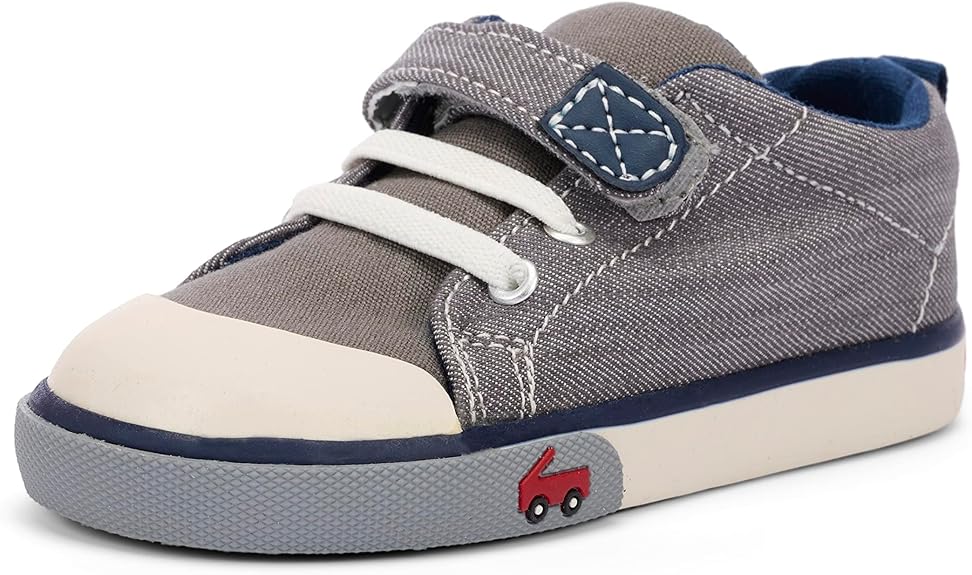
See Kai Run shoes are known for their foot-friendly designs, and the Stevie II model is perfect for new walkers. Made from soft leather with a flexible rubber sole, these shoes provide great support and comfort. The wide toe box allows room for foot growth, and the velcro closure makes them easy to put on and take off.
Why You’ll Love It: See Kai Run shoes are stylish, breathable, and promote healthy foot development. Plus, they come in a variety of fun colors and patterns.
Sizes Available: 3-4, 5-6, 7-8.
Best For: Foot growth and development.
3. Nike Flex Runner 3
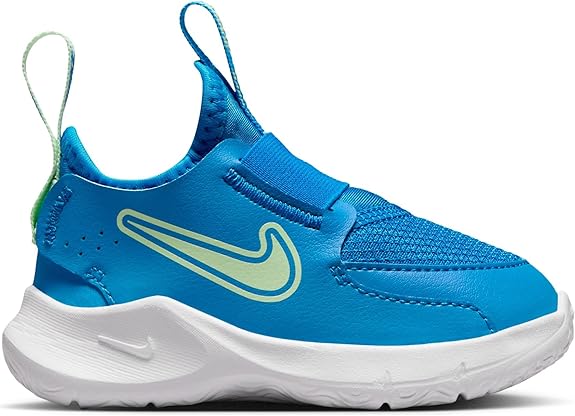
Nike’s Flex Runner 3 is a great choice for active toddlers. These shoes are lightweight and feature a flexible rubber sole that allows for natural movement. The breathable mesh upper ensures that your little one’s feet stay cool, even during physical activities.
Why You’ll Love It: These shoes are sporty, stylish, and easy to put on. The slip-on design makes it convenient for toddlers to wear them independently.
Sizes Available: 4-5, 6-7, 7-8.
Best For: Active toddlers who love to run and play.
4. Pediped Originals
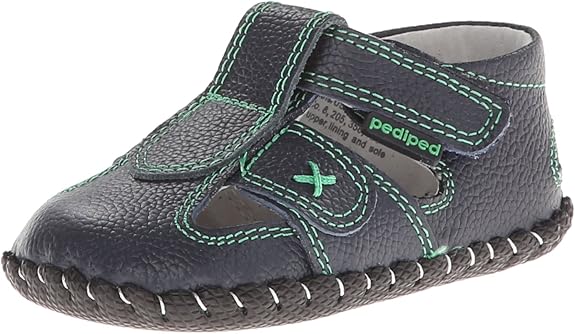
Pediped’s Originals line is ideal for toddlers who are just learning to walk. These shoes are made from soft leather with a flexible rubber sole, which provides great traction and comfort. Pediped shoes are recommended by the American Podiatric Medical Association (APMA) for supporting healthy foot development.
Why You’ll Love It: Pediped Originals promote healthy foot growth, and their durable design makes them perfect for everyday wear.
Sizes Available: 3-4, 4-5, 5-6.
Best For: Promoting healthy foot development and overall comfort.
5. Vans Kids’ Old Skool V
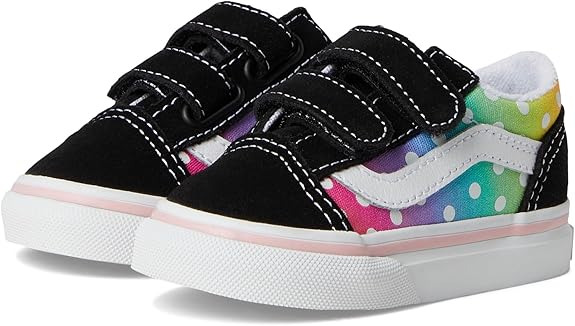
For a fashionable yet functional option, the Vans Kids’ Old Skool V shoes are a great pick. These shoes feature a flexible rubber sole, hook-and-loop straps, and a classic Vans design. They are perfect for keeping your child comfortable while they walk in style.
Why You’ll Love It: The fun design, combined with the rubber sole and comfortable fit, makes this a favorite for both parents and toddlers.
Sizes Available: 4-5, 6-7, 7-8.
Best For: Fashion-conscious toddlers who need comfort and support.
Shoe Shopping Tips for Parents
Buying shoes for new walkers can be overwhelming, especially with so many options available. Here are some actionable shopping tips to ensure you choose the best shoes for your toddler.
- Measure Your Child’s Feet Regularly: Children’s feet grow quickly, so be sure to measure their feet before you buy new shoes. Many stores offer foot measuring services, or you can measure your child’s feet at home with a soft tape measure.
- Check Return Policies: Shoes might not always fit the way you expect. Make sure to check the store’s return policy before making a purchase, particularly for online orders.
- Read Customer Reviews: Whether shopping online or in-store, reading customer reviews will give you an idea of the shoe’s durability, comfort, and overall quality. Pay attention to reviews about sizing, comfort, and fit.
- Buy from Trusted Brands: Stick with well-known brands that specialize in toddler shoes. These brands have years of experience in designing shoes that promote foot health.
- Check for Room to Grow: When trying on shoes in-store, make sure there’s about a half-inch of space between the tip of the shoe and your child’s longest toe. This allows room for their feet to grow.
Seasonal Considerations for Toddler Shoes
As your toddler grows, the seasons will change, and so will their shoe needs. It’s essential to have shoes that fit the weather conditions to ensure comfort and safety year-round.
Winter Shoes for Toddlers
During colder months, insulated shoes or boots made of waterproof materials are essential. Look for shoes with a warm lining and sturdy, non-slip soles to keep your child’s feet comfortable, dry, and safe in wet or snowy conditions.
Summer Shoes for Toddlers
For the warmer months, breathable shoes like sandals or mesh sneakers are perfect. Choose shoes that allow airflow to prevent sweaty feet and are lightweight enough for your child to move easily.
Common Mistakes to Avoid When Buying Shoes for New Walkers
There are several mistakes that parents often make when shopping for shoes for their toddlers. Here’s what to avoid:
1. Ignoring Foot Growth
Children’s feet grow quickly in the first few years, so it’s important to measure them regularly. Shoes that are too small can cause discomfort, while shoes that are too big can lead to tripping. Be sure to check their feet every few months.
2. Choosing Fashion Over Function
While cute shoes are tempting, it’s important to prioritize comfort and support over style. Avoid shoes that are too stiff or have rigid soles, as they can restrict your toddler’s foot movement. Remember, the shoes need to be functional first.
3. Not Measuring Feet Regularly
Since babies’ feet grow quickly, it’s important to measure them every few months. A shoe that fits today may be too small in just a few weeks. Be proactive in checking your toddler’s foot size to ensure proper fit.
How to Care for Your Child’s New Walking Shoes
Proper care will help extend the life of your toddler’s shoes and ensure that they continue to provide the support they need:
- Regular Cleaning: Wipe shoes with a damp cloth to remove dirt and debris. If the shoes are machine washable, follow the care instructions.
- Inspect for Wear: Regularly check the soles for signs of wear. Once the tread begins to wear down, it’s time for new shoes.
- Proper Storage: Always store shoes in a cool, dry place to prevent material degradation and maintain their shape.
FAQs – Best Shoes for New Walkers
1. How often should I measure my toddler’s feet?
Toddler feet grow quickly, so it’s a good idea to measure every 2–3 months. This helps ensure shoes fit properly and provide the support they need for walking safely.
2. Can my toddler wear hand-me-down shoes?
It’s best to avoid used shoes for new walkers, as worn soles or stretched materials can affect stability and comfort. Proper fit and support are crucial at this stage.
3. What materials are best for first walking shoes?
Soft, breathable fabrics like leather, cotton, or mesh allow natural foot movement and help prevent sweating or irritation.
Conclusion: Choosing the Right Shoes for New Walkers
Choosing the right shoes for your little one who’s just starting to walk is more than just a shopping task; it’s an important step for healthy foot development. The right pair will give your toddler the support, comfort, and stability they need as they wobble, toddle, and explore their world. From measuring their feet regularly to picking shoes that move naturally with them, every choice helps your child grow confident and comfortable on their tiny feet.
Take your time, trust your instincts, and enjoy cheering on those first magical steps. Ready to find the perfect shoes for your new walker? Check out my top picks and make those tiny feet happy today!

I’m Lily, mom of two and the person behind Little Ones World. I’ve been through the tough nights, the endless laundry, and the trial-and-error of baby gear. I write about what I’ve learned so far—what helped, what didn’t, and what might make things smoother for you.