Table of Contents
Choosing the right crib for my babies felt like one of the biggest decisions I’d make as a parent. With sleepless nights full of research and endless options, I quickly realized that not all cribs are made equal and not all “best” lists are helpful for real families!
I’ll share what I learned testing cribs with my kids: what truly matters for safety, ease, and the comfort that leads to better nights. I’ll include tips I wish I’d known before buying and my top favorites, straight from my nursery and trusted friends. Let’s find the crib that lets you rest easier, too.
The Reality Check: What No One Tells You About Crib Shopping
Before we dive into specific recommendations, let me share some hard-earned wisdom that could save you from the mistakes I made. When I was pregnant with my first, I thought crib shopping would be straightforward — pick something cute, check the safety box, done. Boy, was I wrong!
The truth is, you’ll be interacting with this crib multiple times every single day (and night) for years. That beautiful white finish that looks pristine in the showroom? It shows every tiny smudge and requires constant wiping. That trendy round crib that caught your eye on Pinterest? Good luck finding sheets that actually fit properly, and don’t even get me started on trying to find a bumper-free way to baby-proof those curved edges.
I learned the hard way that the crib you choose affects everything from how easily you can change sheets at 2 AM to whether your back aches after months of leaning over to pick up your growing toddler. The height of the crib rail, the smoothness of the finish, even the way the mattress support adjusts; these seemingly small details become huge parts of your daily life.
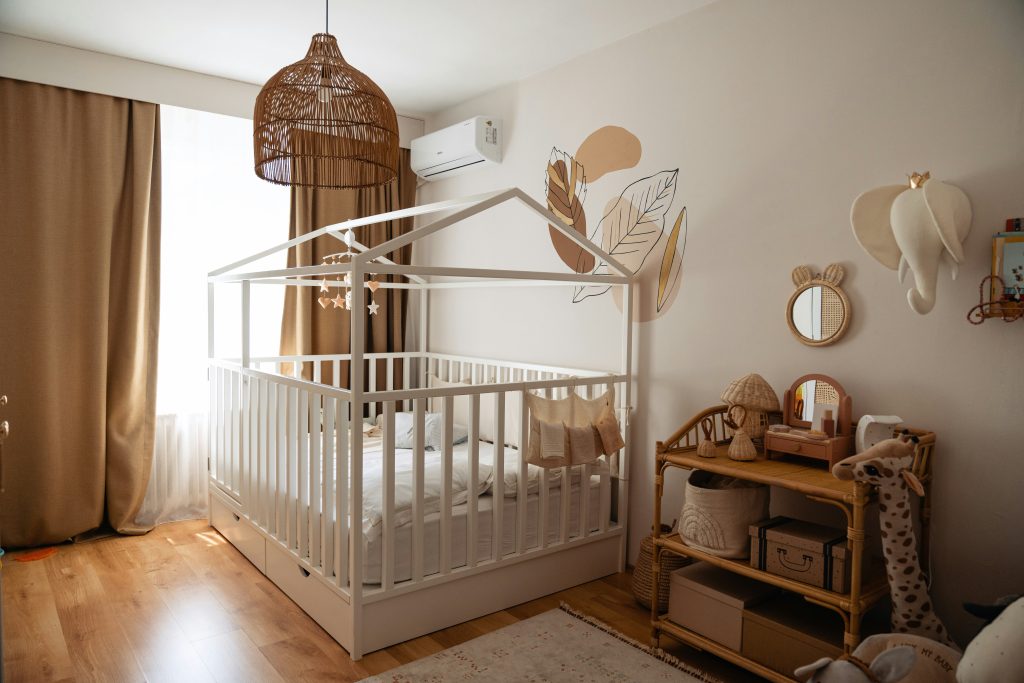
How to Choose the Best Crib for Your Baby: The Complete Breakdown
Safety Comes First, Always
The best cribs are certified by the Juvenile Products Manufacturers Association (JPMA) and meet current CPSC standards. Look for sturdy construction, non-toxic finishes, and slats that are the right distance apart (no more than 2 3/8 inches). But let me tell you what the safety checklists don’t always emphasize.
- The wobble test is everything. When you’re in the store or setting up at home, give that crib a gentle shake. If it wobbles even slightly, keep looking. I made this mistake with my first crib; it seemed fine initially, but after a few months of a wiggly baby, those loose joints became a real safety concern. A truly sturdy crib should feel rock-solid from day one.
- Hardware quality matters more than you think. Check every screw, bolt, and bracket. Cheap hardware is the first thing to fail, and when it does, it’s not just an inconvenience; it’s a safety hazard. I always keep a small toolkit nearby because even the best cribs need occasional tightening, especially if you’re converting from crib to toddler bed multiple times.
- Finish safety goes beyond “non-toxic.” Look for finishes that won’t chip easily when your teething baby inevitably gnaws on the rails. Water-based finishes tend to be safer and more durable than older oil-based options. And here’s something I wish I’d known: some “natural” wood finishes can actually be rougher and more prone to splintering than properly treated surfaces.
Size Matters More Than You’d Think!
Before buying, measure your nursery, even if you’re sure a “standard” crib will fit, because some models run bigger or have unique shapes. Consider the height, too, if you’re a petite parent like me (it really does affect how easily you can lay the baby down).
But there’s more to the size story. Think about access from all sides. I positioned my first crib against the wall to save space, which seemed logical until I realized I could only access my baby from one side during those frequent nighttime check-ins. With my second baby, I learned to leave at least 18 inches on the side I’d use most often.
Ceiling height is a factor nobody mentions. If you have low ceilings or a ceiling fan, measure the clearance when the crib is at its highest mattress setting. I learned this lesson when my tall husband kept bumping his head on the ceiling fan during those first weeks when the mattress was at its highest setting.
The door and hallway width become important later. When it’s time to transition to a toddler bed or move the crib to a different room, you’ll need to know if it can fit through your doorways. Some convertible cribs are surprisingly wide, and if you live in an older home with narrow doorways, this could become a problem.
The Convertible Crib Decision: Investment or Marketing?
Convertible cribs are a great value. The ability to transition from crib to toddler bed (and even to full-size) means you won’t be shopping again in a year. But check what’s included; sometimes rails for later stages are sold separately, which can be a pricey surprise.
Here’s the reality check on convertible cribs: they’re only worth it if you actually convert them. I have friends who bought expensive 4-in-1 convertible cribs and never moved past the toddler bed stage because their kids wanted “big kid” beds by age 4. On the flip side, I used our convertible crib through three different stages with two kids, making it one of our best furniture investments.
The conversion process should be genuinely easy. If it takes more than 20 minutes and basic tools, you probably won’t bother when the time comes. Test this if possible, or read detailed reviews about the conversion process. Some cribs require partial disassembly that’s so complex you need to save the instruction manual for years.
Think about style longevity. That adorable baby pink crib might not work so well when it becomes a full-size bed for a teenager. Neutral colors and classic designs age better, but if you love a bold style and plan to redecorate anyway, go for what makes you happy now.
Budget Reality: What’s Worth Splurging On
Don’t ignore your budget, but don’t let a sale price push you into skipping safety or quality. In hindsight, I wish someone had told me that a high price tag doesn’t always translate to better sleep or easier nights. Practical features like adjustable mattress heights, smooth edges, and easy assembly made the biggest difference for my family.
What’s actually worth splurging on:
- Smooth, rounded edges that won’t catch on clothing or scratch little hands
- High-quality caster wheels to move the crib for cleaning
- Multiple mattress height settings (at least 3) for safety and convenience
- Solid wood construction over composite materials for longevity
- Easy-to-clean finishes that won’t stain or require special care
Where to save money:
- Fancy decorative details that serve no functional purpose
- Matching nursery furniture sets (often overpriced compared to buying pieces separately)
- Premium brand names, when lesser-known brands offer identical safety and quality
- Built-in storage (under-crib drawers are hard to access and collect dust)
Top Picks: My Expanded Favorite Cribs for 2024
Narrowing down cribs was no small task. Many options that look great online, but only a handful truly deliver when you put them to the test in a busy family home. What stood out to me (and my circle of honest, opinionated mom friends) were cribs that combined safety, style, and versatility without unnecessary hassle or expense.
Convertible Cribs Worth Your Investment
- Babyletto Hudson 3-in-1 Convertible Crib: Modern design, sturdy build, and super easy transition from crib to toddler bed. Had this for two kids—it’s a workhorse! The sustainable New Zealand pine construction feels solid, and the water-based finish has held up beautifully through teething, spills, and countless sheet changes. Assembly took about 45 minutes with clear instructions, and the conversion to a toddler bed was surprisingly simple. At $400-450, it’s a middle-range investment that pays off.
- DaVinci Kalani 4-in-1 Convertible Crib: A classic, highly rated for its safety and longevity; it grows all the way to a full-size bed (rails sold separately). This one’s been around for years and consistently gets rave reviews from parents. The traditional styling works in almost any nursery, and the solid wood construction feels like furniture you’d buy for any room in your house. Fair warning: the conversion rails are pricey ($100-150), but the longevity makes it worthwhile if you plan to go the distance.
- Graco Benton 4-in-1 Convertible Crib: Easy on the eyes and the wallet, with smooth conversion and solid wood construction. Great value if you’re looking to buy once and be done. What I love about this one is how straightforward everything is; no complicated hardware, no confusing instructions, just a solid crib that does exactly what it promises. Usually available for under $300, and Graco’s customer service is excellent if you need replacement parts down the road.
- Stokke Sleepi Convertible Crib: Okay, this one’s splurge territory at $600+, but hear me out. The oval shape is gorgeous and space-efficient, and it grows with your child from bassinet size all the way to junior bed. The Scandinavian design is timeless, and the quality is exceptional. I include this because if you have the budget and love unique design, it’s truly a piece of furniture that becomes an heirloom.
Eco-Friendly and Non-Toxic Crib Choices
- Naturpedic Organic Solid Wood Crib: Made from FSC-certified wood and GREENGUARD Gold certified, it’s a dream for eco-conscious families. This is what I’d buy if money were no object and environmental impact were my top priority. The craftsmanship is exceptional, with hand-sanded edges and organic finishes. At $800-900, it’s definitely an investment, but the peace of mind regarding chemicals and sustainability is priceless for many families.
- MILLIARD Convertible Crib: Uses non-toxic finishes and responsibly sourced pine, budget-friendly and earth-kind. This is proof that eco-friendly doesn’t have to break the bank. At around $200-250, it offers GREENGUARD certification and sustainable materials without the premium price tag. The styling is simple and modern, and assembly is straightforward.
- Babyletto Lolly 3-in-1 Convertible Crib: Sustainable New Zealand pine and non-toxic paints, plus a playful, modern look that brightens up any nursery. The spindle design is trendy but timeless, and the finish options are gorgeous. What sets this apart is the attention to detail, rounded spindles, smooth edges, and hardware that feels substantial. Usually priced around $350-400.
- Oeuf Rhea Crib: European beech wood, water-based finishes, and minimalist Scandinavian design that photographs beautifully. This is another splurge option ($700+), but if you appreciate design and want furniture that looks like it belongs in a magazine, this delivers. The quality is outstanding, and it converts to a toddler bed with clean, simple lines.
Best Budget Cribs for Practical Parents
| Babyletto Hudson 3-in-1 | Convertible | Crib → Toddler → Daybed | GREENGUARD Gold, JPMA | Modern families |
| DaVinci Kalani 4-in-1 | Convertible | Crib → Toddler → Daybed → Full Bed | GREENGUARD Gold, JPMA | Long-term value |
| Graco Benton 4-in-1 | Convertible | Crib → Toddler → Daybed → Full Bed | JPMA | Budget-friendly |
| Naturepedic Organic Crib | Standard | Crib only | GREENGUARD Gold, FSC wood | Eco-conscious families |
| IKEA SNIGLAR | Standard | Crib only | JPMA | Minimalist, budget |
| Pottery Barn Kendall | Standard | Crib only | JPMA, GREENGUARD Gold | Premium nurseries |
The Assembly Reality: What to Expect
Let’s talk about something every parent experiences but no one really prepares you for: putting the crib together. I’ve assembled six different cribs (don’t ask, moving, upgrading, and helping friends), and the experience varies wildly.
Best assembly experiences: Babyletto and IKEA cribs consistently have the clearest instructions and most logical hardware organization. Parts are clearly labeled, and the steps make sense. Budget about 60-90 minutes for most cribs.
Most challenging: Some DaVinci models and imported cribs with poor instruction translation can be frustrating. If the hardware isn’t clearly labeled or the diagrams are confusing, it can take twice as long and test your patience when you’re already tired from preparing for the baby.
Pro tips for assembly:
- Open all packages and organize hardware before starting.
- Have a power drill ready, but use it carefully on final tightening.
- Assemble in the room’s final location if possible — fully assembled cribs are heavy and awkward to move.
- Keep the instruction manual and any leftover hardware in a labeled bag for future conversions.

Beyond the Crib: Creating the Complete Sleep Environment
Mattress Selection: The Foundation of Good Sleep
Your crib is only as good as the mattress you put in it. I’ve learned that a great mattress can make a mediocre crib work beautifully, while a poor mattress can ruin even the most expensive crib experience.
Firm is non-negotiable for safety. The mattress should barely give when you press firmly with your hand. If you can make a noticeable indent, it’s too soft for infant safe sleep. This firmness is crucial for the first year, and many convertible mattresses offer different firmness on each side for infants versus toddlers.
The fit test is crucial. You shouldn’t be able to fit more than two fingers between the mattress edge and crib sides. A proper fit prevents entrapment hazards and ensures your baby can’t get stuck between the mattress and crib rails.
My top mattress recommendations:
- Naturpedic Organic Cotton Classic: Firm, breathable, and completely organic for families prioritizing natural materials
- Sealy Soybean Foam-Core: Great value with plant-based foam and excellent edge support
- Newton Baby Crib Mattress: Breathable core design that allows airflow even if the baby’s face is against the mattress
- IKEA VYSSA VACKERT: Budget-friendly option that meets safety standards without breaking the bank
Room Setup: The Details That Matter
Temperature control is everything. The ideal nursery temperature is 68-70°F. I invested in a room thermometer with color-coded alerts because checking manually at 3 AM gets old fast. Overheating is a SIDS risk factor, so this isn’t just about comfort; it’s about safety.
Blackout curtains were a game-changer. Not just any dark curtains, but proper blackout curtains that block streetlights, early morning sun, and help maintain consistent sleep conditions. I wish I’d installed these before bringing the baby home instead of trying to darken the room with blankets during those first exhausting weeks.
Sound considerations: Whether you use white noise or prefer quiet, consistency is key. If you choose white noise, invest in a quality machine that doesn’t have a timer; nothing worse than silence suddenly waking a light sleeper. I prefer continuous, consistent sounds over nature sounds that vary in volume.
Air quality matters more than most people realize. A good air purifier designed for nurseries can help with dust, allergens, and maintain optimal humidity. The GREENGUARD certified models ensure they’re not adding chemical emissions to your baby’s environment.
Essentials for a Cozy and Safe Crib
Once you’ve chosen your crib, creating a comfortable and truly safe sleep space involves more than just the bed itself. I found that a few key accessories made nighttime routines much smoother and gave me peace of mind in the early months and beyond.
Sleep Sacks I Swear By for Safer Sleep
HALO SleepSack Swaddle: Soft, easy to use, and washes up beautifully even after countless spit-up incidents. The velcro closure stays secure but isn’t so tight that you panic about circulation. Available in multiple weights for different seasons, the arms-up design option was perfect for my baby, who hated having his arms restricted.
KYTE BABY Sleep Bag: Silky bamboo fabric, gentle on sensitive skin, and stays cozy in all seasons. These are pricier than cotton alternatives, but the bamboo is naturally temperature-regulating and incredibly soft. The two-way zipper makes diaper changes possible without fully undressing the baby, which saves everyone’s sleep.
Woolino 4 Season Sleep Sack: Pricy, but lasted through two kids. Ideal for year-round use and for babies who kick off everything else. The merino wool naturally regulates temperature, keeping the baby warm when it’s cold and cool when it’s warm. Machine washable despite being wool, and the quality is exceptional.
Love To Dream Swaddle UP: Perfect for babies who need to self-soothe by sucking thumbs or fingers. The unique arm-up design allows natural sleep positioning while providing the snug feeling babies crave. Easy transition to arms-free version when it’s time to stop swaddling.
Troubleshooting Common Crib Challenges
When Baby Won’t Sleep in the Crib
This was my biggest nightmare with my first baby. After weeks of successful bassinet sleeping, transitioning to the crib felt impossible. Here’s what actually worked:
- Gradual transition: Start with naps in the crib before attempting overnight sleeping. Let the baby get used to the new environment during less crucial sleep times.
- Scent familiarity: Place a shirt you’ve worn (unwashed) near the crib during assembly so your scent is associated with the space. Remove before baby sleeps, but the lingering scent can be comforting.
- Temperature adjustment: Cribs can feel cooler than bassinets due to increased air circulation. Ensure room temperature is slightly warmer than you think necessary, and consider a warmer sleep sack.
- White noise consistency: If you used white noise with the bassinet, continue the exact same sound with the crib. Changes in the audio environment can be disruptive.
Cleaning and Maintenance
- Daily maintenance: Wipe down surfaces baby touches with gentle, natural cleaners. Avoid harsh chemicals that could leave residues where the baby mouths the rails.
- Weekly deep cleaning: Remove all bedding and vacuum the mattress and crib interior. Check all hardware for tightness and look for signs of wear or damage.
- Monthly safety checks: Test all conversion mechanisms, inspect for loose screws, and verify the mattress fit hasn’t changed as the mattress ages and compresses.
- Seasonal maintenance: Deep clean and inspect hardware before storing cribs between babies. Apply appropriate wood conditioner if needed to maintain finish quality.
Frequently Asked Questions About Cribs
1. When Should You Lower the Crib Mattress?
Lower the crib mattress as soon as your baby can push up on hands and knees usually around 5-6 months. If your baby is starting to sit or pull to stand, drop it to the lowest setting right away. I checked every few weeks after that, especially during growth spurts. Safety comes before convenience!
The timeline most families follow:
- Highest setting: Newborn until baby can push up (easier for your back during frequent night feeds)
- Middle setting: When the baby can sit unassisted but isn’t pulling up yet
- Lowest setting: First sign of pulling up or standing attempts
Warning signs to lower immediately:
- Baby pushing up on hands and knees during tummy time
- Rolling from back to tummy consistently
- Any attempt to grab or pull at crib rails
- Baby is sitting up unassisted during sleep
2. What To Put (and Not Put) in Baby’s Crib
Safe sleep means a fitted sheet only, no pillows, blankets, bumpers, or stuffed animals. The AAP and most pediatricians agree: bare is best for baby’s bed. What helped my babies settle safely was a fitted cotton sheet and a well-fitted sleep sack. Skip all extras until your child is well past the crib phase.
3. How Long Do Babies Actually Use Cribs?
Most babies use cribs from birth until 2-4 years old, depending on climbing ability and readiness for a toddler bed. My first climbed out at 20 months (early transition!), while my second happily stayed until almost 3 years. Watch your individual child rather than following arbitrary timelines.
Signs it might be time to transition:
- Successful crib escapes
- Frequent climbing attempts create safety concerns
- Potty training needs (easier bathroom access)
- Child expressing desire for “big kid bed”
- Sleep quality is declining due to feeling confined
Final Thoughts: Trust Your Instincts
After all this research, testing, and real-world experience, here’s the most important thing I’ve learned: the “perfect” crib is the one that works for your family. That might be a $100 IKEA special that gets the job done safely and simply, or it might be a $800 heirloom piece that grows with your child and matches your design dreams.
Think long-term, but trust your gut — comfort, peace of mind, and a little style go a long way. Your baby will sleep just as well in a thoughtfully chosen budget crib as in a designer showpiece, as long as it’s safe, sturdy, and set up with love.
The most important thing you can give your baby is confidence in your choices and consistency in their sleep environment. Choose a crib that supports your family’s needs, follow safe sleep guidelines, and then focus on all the wonderful moments you’ll share in that nursery. Sweet dreams start with smart choices, but they’re made magical by the love you bring to every goodnight kiss.

I’m Lily, mom of two and the person behind Little Ones World. I’ve been through the tough nights, the endless laundry, and the trial-and-error of baby gear. I write about what I’ve learned so far—what helped, what didn’t, and what might make things smoother for you.