
Table of Contents
If you’re raising a little one in 2025, finding the right baby lounger can make your days (and your baby’s!) a lot more comfortable. Baby loungers are soft, portable cushions designed to give infants a cozy spot to relax, play, or do supervised tummy time while you’re nearby.
With so many options on the market, it’s easy to feel overwhelmed by the choices, especially when you want something safe, supportive, and easy to use in your everyday routine. In this guide, I’ll break down the most popular loungers, compare their features, and share expert-backed safety tips and buying advice.
Whether you’re seeking a baby essential for your nursery or want to know if organic materials and eco-friendly models are worth it, this guide will help you make the right pick for your family. Let’s dive in and find the best baby lounger for your needs!
Top-Rated Baby Loungers Compared
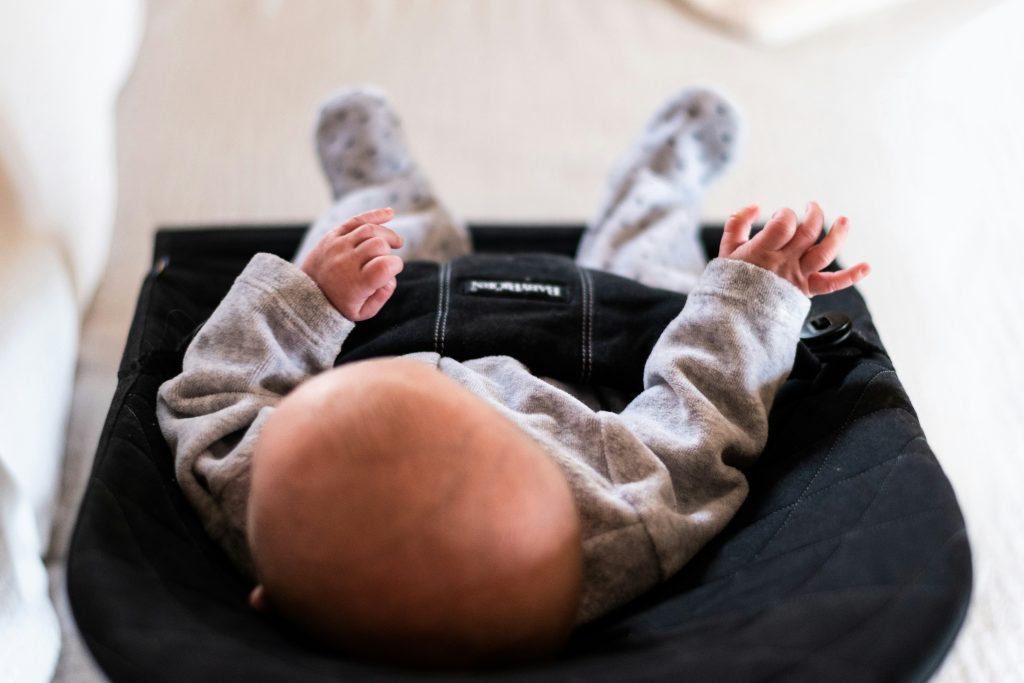
The world of baby loungers can feel a bit like a maze, especially with so many brands promising ultimate comfort and safety. To save you time, this section zooms in on the top-rated options that parents across the US are loving in 2025, most notably DockATot and Snuggle Me Organic. Both brands have built strong reputations for design, comfort, and parent-approved features, making them perennial favorites for growing families.
Choosing a baby lounger isn’t just about picking the softest cushion. You’ll want to weigh things like material quality, support for your baby, cleaning ease, and perhaps most importantly, how each design fits with your lifestyle and space. Both DockATot and Snuggle Me Organic offer something a bit different, and it’s those small differences that can really impact your daily routine.
In the following reviews, I’ll break down each lounger’s standout qualities and address areas where they differ, so you can make an informed choice without the overwhelm. For many parents, it comes down to the details: shape, fabric, sustainability, and how your baby responds to each style. Keep reading for side-by-side comparisons, honest pros and cons, and my own experiences paired with what real families are saying.
DockATot vs. Snuggle Me Organic: Side-by-Side Comparison
| Feature | DockATot | Snuggle Me Organic |
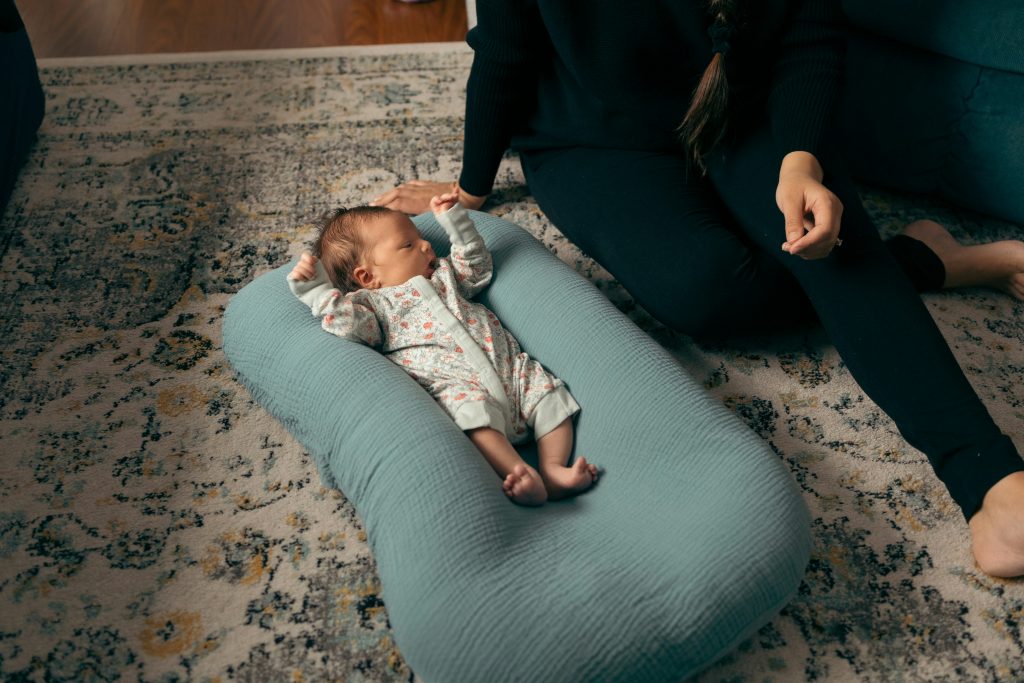
| Design & Fit | Structured sides with a flat center give the baby space to wiggle | Plush, hugging sides with a slightly sunken center for a snug fit |
| Available Sizes | Deluxe+ (0–8 months), Grand (9–36 months) | Infant (0–9 months), Toddler (up to 3 years) |
| Materials | Cotton + polyester fill | GOTS-certified organic cotton + natural filling |
| Eco-Friendliness | High-quality fabrics, but not fully organic | 100% organic, non-toxic, eco-conscious |
| Safety Use | For supervised lounging only; not for overnight sleep | For supervised awake time only; not for unsupervised sleep |
| Support & Comfort | Firmer, more structured; good for babies who like wiggle room | Soft, hugging feel; ideal for babies who like closeness |
| Parent Benefits | Portable, versatile, calming; popular for multitasking | Soothing hug effect, helps with reflux, tummy time support |
| Cleaning | Removable, washable covers; spot-clean base | Removable covers, machine-washable + dryer safe |
Snuggle Me Organic Versus DockATot: Which Is Best?
- Materials and Eco-Friendliness: Snuggle Me Organic features GOTS-certified organic cotton and natural filling, while DockATot combines high-quality cotton with polyester. Snuggle Me often wins points for chemical-free peace of mind.
- Comfort and Fit: Snuggle Me snuggles baby with a close, “hugging” center, which some infants love for soothing. DockATot offers more space and slightly firmer support, making it better for babies who like a little more wiggle room.
- Support and Safety: Both are for supervised lounging only. DockATot has a more structured bumper, while Snuggle Me’s design reduces rolling but provides a softer feel.
- Cleaning and Cost: Both brands have removable covers; Snuggle Me’s are machine-washable and dryer safe. DockATot tends to be pricier, but seasonal sales or bundles are common.
- Value and Longevity: Snuggle Me offers different sizes for infants and toddlers, making it possible to transition as your baby grows. DockATot’s Grand version offers an extended age range for long-term use.
Baby Lounger Safety Tips and Guidelines
Before you bring a baby lounger into your home, it’s important to understand exactly how and when to use it safely. While loungers offer a cozy spot for your little one, using them the wrong way can present risks. Pediatric groups, like the American Academy of Pediatrics, have clear guidance on what’s safest for your baby, and there are also strict product safety standards from agencies like the CPSC.
This section will outline the big-picture rules for lounger use and why supervision is absolutely key. As a mom who’s been through the newborn trenches, I know it feels tempting to let your baby nap wherever they seem comfortable. But following best practices is essential for their well-being.
In the next few sections, you’ll get straightforward answers on the risks of sleep in baby loungers, what experts say about airflow and suffocation, and the simple steps you can take to make your home safer for your little one.
Are Baby Loungers Safe for Infant Sleep?
According to the American Academy of Pediatrics and the Consumer Product Safety Commission, baby loungers are not safe for infant sleep, whether it’s a quick nap or overnight. Babies should always sleep on a firm, flat surface like a crib or bassinet without any soft bedding or cushions.
Loungers are designed for supervised, awake time only. Letting babies sleep in them, especially unsupervised, increases the risk of suffocation and positional asphyxia. Always move your baby to an approved sleep environment if they become drowsy in a lounger.
How Baby Loungers Can Block Airflow and Pose Risks
Baby loungers with raised sides or deep centers can sometimes restrict airflow around your infant’s nose and mouth, especially if your little one turns toward the bumper. This can create a suffocation risk if not used exactly as intended and with close supervision.
It is recommended to always place loungers on flat, hard surfaces (never couches or beds) and keep your baby centered with their airways open. Avoid adding blankets, stuffed animals, or other objects inside the lounger, and monitor your baby for signs of rolling or turning.
Baby Loungers in Everyday Life: Benefits and Drawbacks
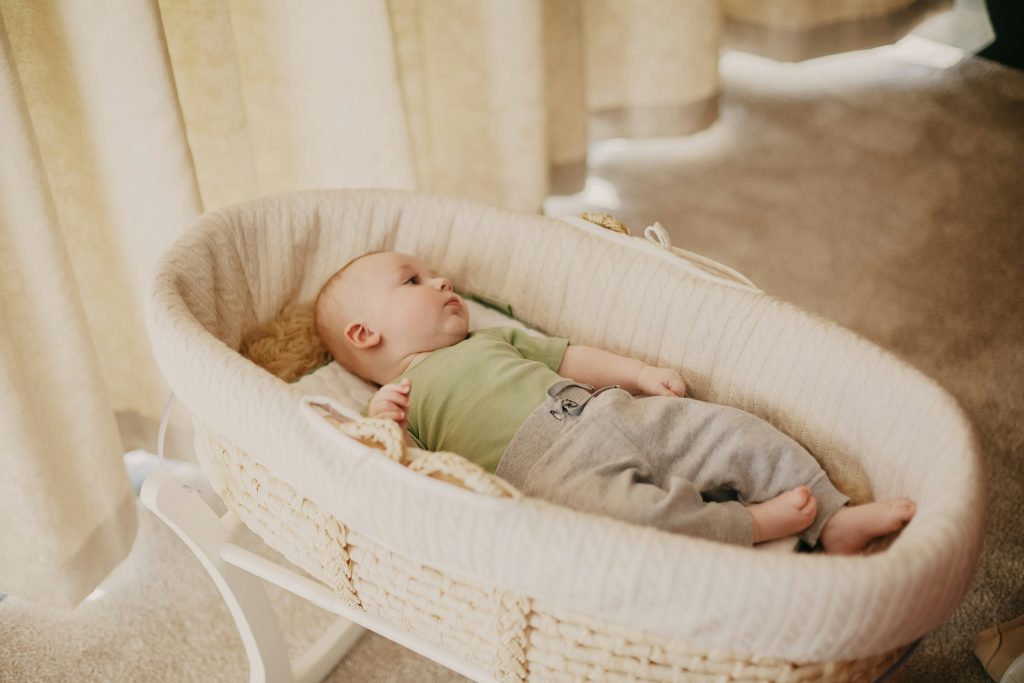
Let’s be honest, sometimes you just need a safe spot to set your baby down while you brush your teeth or fold the laundry. Baby loungers can be a lifesaver for busy parents, offering an extra set of hands when you desperately need a moment.
At their best, loungers make tummy time more comfortable, give babies a place to relax, and help caregivers manage daily routines. Yet, every convenience item comes with trade-offs, and loungers are no exception.
Coming up, I’ll break down both the positives and the downsides so you can decide if a baby lounger fits your family’s rhythm. It’s all about weighing comfort, development support, cost, and, most importantly, safety.
Benefits of Baby Loungers for Comfort and Development
- Cozy Support: Loungers gently support little bodies, often helping fussy babies feel safe and swaddled during supervised rest.
- Hands-Free Parenting: Gives parents a safe spot to set baby down while prepping bottles, cooking, or taking calls (I’ve done all three!).
- Encourages Tummy Time: Many models offer comfortable edges that prop up babies for easier tummy time, supporting motor skill development.
- Portable Convenience: Lightweight and easy to move, loungers are perfect for travel or shifting around the house.
- Stylish and Washable: Trendy fabrics and easy-to-clean covers make them a favorite for modern nurseries.
Drawbacks and Safety Risks of Baby Loungers
- Unsafe for Sleep: Not suitable for naps or overnight; using for sleep increases suffocation risk.
- Short Usage Window: Most loungers are only safe for the first several months, requiring an upgrade or transition as your baby grows or begins rolling.
- Expense: Premium models can be pricey, especially considering their limited lifespan.
- Cleaning Challenges: Frequent spit-ups or diaper leaks mean regular washing, which can get tricky depending on the model.
- Expert Warnings: Leading pediatricians caution against misuse, so strict adherence to safety rules is crucial.
Baby Lounger FAQs for Parents and Caregivers
1. Can my baby sleep in a lounger overnight?
Absolutely not. Major health organizations advise that babies should always sleep flat and alone in a crib or bassinet without any lounger or soft object for safety.
2. What’s the age limit for using a baby lounger?
Most loungers are made for newborns up until they start rolling over, usually between 4 and 9 months. Some brands, like Snuggle Me and DockATot, offer toddler-sized versions for older babies (always following safety instructions!).
3. Are organic loungers worth it?
If your baby has sensitive skin or if you value chemical-free, eco-friendly products, then organic loungers (like Snuggle Me Organic or Birch) may be worth the investment for peace of mind.
4. How do I clean my baby lounger?
Most have removable covers that can be tossed in the washer. Always double-check manufacturer cleaning instructions, and keep an extra cover handy for those inevitable spit-up or diaper moments.
5. Where can I find authentic deals on Snuggle Me and DockATot?
For real discounts, stick to reputable retailers and avoid suspicious third-party sites. Watch for holiday sales, manufacturer promotions, and certified baby shops; beware of offers that seem too good to be true.
6. How do I pick between the infant and toddler Snuggle Me loungers?
The Infant Lounger suits newborns up to 9 months, while the Toddler version works for ages up to 3 years. If your little one is starting to push up, crawl, or outgrow the snug fit, it’s time to consider transitioning. Check the brand’s sizing guidelines for the best match.
The Bottom Line on Baby Loungers: Comfort, Safety, and Value
Navigating the world of baby loungers doesn’t have to feel overwhelming. By looking beneath the surface at materials, safety, comfort, and value, you can find an option that fits seamlessly into your family’s home and daily routines. For most families, DockATot and Snuggle Me Organic are standouts — each offering unique strengths, from eco-friendly fabrics to clever, portable designs.
No matter which baby lounger you choose, always follow current safety guidelines and use the lounger only as directed: for supervised awake time, never for sleep. Prioritizing safe use today sets your baby up for healthy rest tomorrow, whether that’s in a bassinet with a soft sleep sack, cozy PJs, or alongside a reliable baby monitor to help you keep an eye (and ear) on your little one.
If you’re on the hunt for the best deals, watch for seasonal sales and stick to trusted retailers to avoid fakes. Taking the time to compare sizes, features, and fabric options ensures you find a lounger that grows with your baby, matches your home, and, most importantly, keeps your peace of mind intact.
Ready to pick the perfect lounger for your baby? Check out my roundup of recommended baby loungers and must-have nursery organizers to get everything you need for those precious first months.

I’m Lily, mom of two and the person behind Little Ones World. I’ve been through the tough nights, the endless laundry, and the trial-and-error of baby gear. I write about what I’ve learned so far—what helped, what didn’t, and what might make things smoother for you.