
Table of Contents
Welcoming a new baby means making important choices about their comfort and safety, especially when it comes to sleep. Two of the most talked-about options for newborns are bassinets and cribs, but knowing which is right for your family can feel overwhelming. As a mom who’s navigated sleepless nights and nursery planning twice, I know firsthand how vital it is to set up a sleep space that supports both your baby’s needs and your own peace of mind.
Whether you’re prepping for your very first little one or reevaluating for a growing family, you’ll find relatable advice to help you feel confident in your choice. Plus, I’ll share some of my favorite affiliate picks, from sleep sacks to nursery organizers, to make those early days smoother. Choosing between a bassinet vs crib? Learn the key differences in safety, comfort, and convenience to find the best sleep option for your baby.

Understanding Bassinets and Cribs: Key Differences Explained
Before you start shopping or setting up your nursery, it helps to understand exactly what sets a bassinet apart from a crib. At a basic level, a bassinet is a small, lightweight sleeping space specifically designed for newborns and young infants. They’re typically oval-shaped, with high ventilated sides, often placed right next to your bed for easy access to your baby during those sleepy overnight hours.
Cribs, by contrast, are larger and more durable. Most cribs are rectangular, with sturdy wooden or metal frames and wooden slats along the sides. A crib is meant to serve your child from the newborn stage right through toddlerhood, and sometimes even longer if you go for a convertible model that turns into a toddler bed.
The main differences come down to portability, intended age range, and where they fit best within your home. Bassinets are popular for the early months when room sharing is recommended, giving you that comforting closeness and visibility. A crib, however, is the ultimate all-in-one solution, able to handle your baby’s growth and movement for years to come. Specialty options like bedside sleepers (that attach to your bed), travel cribs, and convertible crib/toddler bed combos mean you can choose a sleep setup that suits your space and lifestyle perfectly.
Benefits of a Bassinet for Newborns
Bassinets are loved by many new parents for their blend of comfort, convenience, and peace of mind during those precious first months. Their compact size means you can keep your baby close, often right beside your bed, making those late-night feedings, diaper changes, and sleepy check-ins so much easier. If you live in a smaller space or simply want your baby extra close, a bassinet can be a real game changer, especially in the early weeks when every cry feels urgent and every minute of sleep matters.
Room sharing with a bassinet helps increase both bonding and safety, aligning with recommendations from pediatricians for the first several months. Many bassinets now offer features like gentle rocking or vibration to help soothe fussy newborns, while modern designs are also easy to move from room to room. This makes them especially practical for families navigating apartment life, shared bedrooms, or even multigenerational homes where caregiving is a group effort.
Room Sharing and Ease of Access with a Bassinet
- Supports Safe Room Sharing: Bassinets are compact enough to fit right next to your bed, making it simple to follow AAP guidelines for having your newborn sleep in the same room, but not the same bed, for at least the first six months.
- Convenience for Nighttime Care: With your baby just an arm’s reach away, you can quickly respond to fussiness, initiate feedings, or perform diaper changes without needing to leave your bedroom. This is especially appreciated by exhausted new parents or those recovering from delivery.
- Useful in Any Size Bedroom: Whether you’re in a large master suite or a small studio, bassinets slide easily into tight spaces, making them a smart pick for urban homes or shared rooms.
Tips for Setup: Position the bassinet near your bed with clear walking space on at least one side. Look for models with mesh sides for better airflow and visibility, and choose adjustable features (like wheels or a drop-down side) if you’ll be moving it around.
Why Newborn Sleep Is Well-Supported in a Bassinet
Bassinets are designed to recreate the snug, secure feeling of the womb. Their smaller, cocoon-like shape provides comfort and limits startling, which helps many newborns settle more easily into sleep. The close quarters make it easier for babies to feel your presence through sound and smell, which can reassure both baby and parent during those early months.
Many bassinet models offer gentle rocking or vibration features, which can soothe fussy infants and support healthy sleep patterns. For families, this setup invites regular check-ins and fosters confidence, making bassinets a trusted sleep solution in those first weeks of rapid growth and change.

Benefits of a Crib for Long-Term Use
When looking at the big picture for your baby’s sleep needs, investing in a crib offers both durability and extended use. Cribs are built to last, becoming a safe, reliable sleep space from the newborn stage all the way through the toddler years, and sometimes even beyond with convertible models. For growing families, this means your purchase keeps paying off across multiple milestones and possibly even multiple children.
Cribs are designed to withstand the bumps, wiggles, and rolling over that come as your child grows, with sturdy frames and securely spaced slats. Adjustable mattress heights accommodate your baby’s development, from their first few months, when you can use a higher setting for easier lifting, down to the lowest setting for climbing toddlers. Some cribs can even convert into toddler beds, daybeds, or full-size beds, stretching your investment and simplifying future transitions.
For parents who want to plan ahead, a crib often becomes the nursery’s centerpiece, offering peace of mind as your child becomes more mobile. It’s a one-time purchase that ensures your baby has a secure, cozy place to sleep through their most crucial years of growth. We’ll dig into why the long-term value of a crib makes it a must-consider for many families in the next section.
Durability and Longevity Advantages of a Crib
Cribs are constructed with sturdy materials, typically solid wood or reinforced metal, making them strong enough to handle years of daily use. Many models are designed to convert from a standard crib into a toddler bed, ensuring value and versatility as your child grows. Adjustable mattress heights allow you to safely accommodate different developmental stages, from newborn through active toddler.
For families planning multiple children, cribs offer excellent cost-per-use. They’re easy to maintain and can be passed down or resold if kept in good condition. Reliable construction and compliance with safety standards mean you can trust a crib to remain a safe zone for your little one during every stage of early childhood.
Safety First: Comparing Bassinet and Crib Safety Standards
When it comes to your baby’s sleep, safety is non-negotiable. Understanding and comparing the safety standards for bassinets and cribs is one of the most important steps you can take as a new parent.
This section explains what parents should look for, such as weight and age limits, crib slat spacing, mattress fit, and product recalls, so you’re well-equipped to choose the safest option. Routine safety checks, up-to-date product certifications, and best practices are explored, as is how to spot and sidestep common hazards, including loose bedding or unsafe add-ons.
| Safety Category | Bassinet Best Practices | Crib Best Practices |
| Weight & Age Limits | Retire at 15–20 lbs or once baby can roll/push up. | No strict weight limit; suitable for infancy through toddler years with a crib mattress. |
| Sleep Surface | Firm, flat mattress with only the manufacturer’s fitted sheet. | Firm mattress that fits tightly with < 2-finger gap around edges. |
| Hazard Prevention | No pillows, blankets, or stuffed animals inside. | No bumpers, pillows, quilts, or extra padding. |
| Design & Structure | Choose models with stable, flat bases; avoid wobbly designs. | Slats ≤ 2 3/8” apart; avoid drop-side rails. |
| Placement | Keep away from cords, windows, and heat sources. | Same—safe distance from hazards and cords. |
| Hardware & Stability | Inspect joints/mesh sides regularly for wear or tears. | Tighten screws/bolts often; check for sharp edges or peeling paint. |
| Recalls & Certifications | Verify current safety certifications and recall status (esp. secondhand). | Ensure crib meets current safety standards and certifications. |
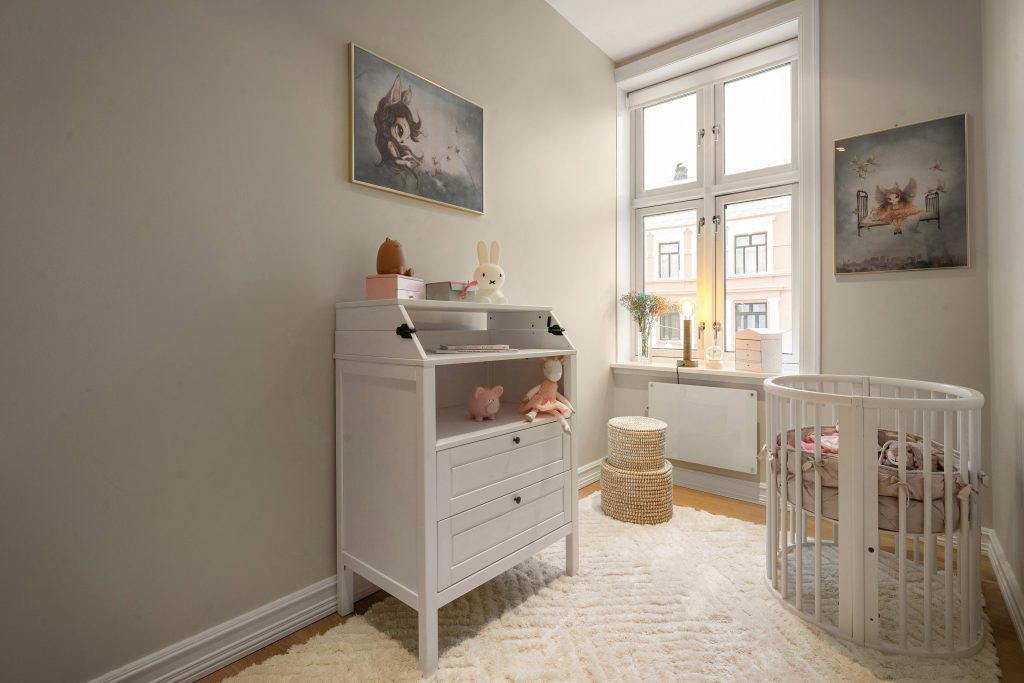
Practical Considerations: Space Portability and Budget
When deciding between a bassinet and a crib, real-life factors like living space, how often you need to move the sleep setup, and your budget all come into play. For urban or apartment dwellers, fitting a baby bed into a small bedroom or shared space requires creative thinking. Portability matters too, especially if you want flexibility to nap baby in multiple rooms or arrange regular overnight visits with grandparents.
Bassinets tend to shine in small spaces and for travel, offering lightweight, easy-to-move options. Cribs, on the other hand, require more floor space but pay off over time with their years-long lifespan. Affordability can tip the scale as well. While bassinets are usually less expensive up front, they’re outgrown quickly, so some parents prefer the long-term savings of a convertible crib.
Portability and Space-Saving Advantages of Bassinets
- Compact Footprint: Bassinets take up far less space than cribs, making them ideal for apartments, shared bedrooms, or parents wanting the baby close at night.
- Easy to Move: Most bassinets are lightweight, come with wheels, or are foldable. So you can move them from room to room or bring them along on family trips.
- Ideal for Frequent Room Changes: If you’ll need to supervise the baby in different parts of your home, bassinets allow for effortless transitions.
- Travel-Ready Choices: Travel bassinets fit in cars or pack easily, making overnight stays with family or quick vacations less stressful.
Space Optimization Tip: Look for models with built-in storage or collapsible designs to truly maximize your living area.
Cost-Effective Choices and Budget Factors
- Initial Cost: Bassinets are usually more affordable upfront but typically last only a few months, while cribs require a bigger investment at first.
- Long-Term Use: Cribs, especially convertible ones, grow with your child, making them more cost-effective over multiple years or kids.
- Buying for Twins or More: Some bassinets are designed for twins, but investing in a full-size crib (or two compact cribs) offers more sleep space for less over time.
- Resale and Hand-Me-Down Value: Quality cribs hold their value and can be resold or passed down. Always check for recalls and safety updates if buying or using secondhand.
- Prioritizing Purchases: Consider what you can afford to purchase new, and what you might borrow or buy used safely. Think ahead about total years of expected use (especially for those hoping to grow their families).
Long-Term Planning Growth
Planning for your baby’s growth and changing sleep needs ensures a smoother parenting journey. As newborns develop, there comes a time when it’s necessary, and safer, to transition from a cozy bassinet to a full-size crib. Understanding this timeline and which cues to watch for will help you make this shift confidently and safely.
You may also find yourself weighing the pros and cons of secondhand cribs or bassinets, whether for budget reasons or sustainability. While used gear can be a smart choice, it’s essential to check for recalls, wear, and up-to-date safety features before use. Regularly evaluating your baby’s sleep setup for fit and function will keep your little one comfortable and secure as they grow.
Baby Size and Development – When to Move Beyond a Bassinet
It’s time to transition your baby out of the bassinet once they reach the manufacturer’s weight limit (often 15–20 pounds) or start showing signs of rolling over, pushing up, or sitting. Many babies hit these milestones between 3–6 months, though this can vary. Continuing to use a bassinet once your baby becomes too active can increase the risk of falls or tipping.
Transitioning from Bassinet to Crib Tips for a Smooth Move
- Start Small: Begin by letting your baby nap in the crib during the day to get used to the new sleep environment.
- Maintain Familiarity: Use the same sleep sack, white noise machine, or soft lighting from their bassinet setup to nurture a sense of comfort.
- Move Gradually: If possible, keep the crib in your room for a few days before moving it to the nursery, or spend time playing and cuddling in the nursery during the day.
- Offer Reassurance: Stay consistent with bedtime routines and check in on your baby more frequently at first. Gentle verbal soothing or a reassuring touch can help with adjustment.
- Supervise First Nights: Use a video or audio monitor for your peace of mind, and anticipate a few nights of adjustment as your baby settles into their new sleep space.

Frequently Asked Questions
1. Is a bassinet safer for newborns than a crib?
Both bassinets and cribs can be safe for newborns if they meet current safety standards and are used according to the manufacturer’s instructions. The key is a firm, snug-fitting mattress and eliminating soft bedding or hazards.
2. How long does a baby use a bassinet?
Most babies outgrow their bassinet between 3–6 months, depending on their weight and mobility. Always transition once your baby meets the product’s limits or starts rolling over or pushing up.
3. What are the biggest benefits of a crib?
Cribs offer a long-term sleep solution, adjustable mattress height, and conversion options for toddlers. They represent a greater upfront investment, but deliver years of use and reliability.
4. Can I use both a bassinet and a crib?
Yes, many parents start with a bassinet for room sharing and then transition to a crib as their baby grows. This approach maximizes the benefits of both products for the first year.
5. What sleep accessories should I consider?
Look for wearable sleep sacks for safe warmth, a reliable baby thermometer for health monitoring, footed pajamas, and nursery organizers for quick diaper and essentials access. These extras make late-night routines easier for everyone.
Making the Safe and Practical Choice for Your Baby’s First Bed
Choosing between a bassinet and a crib is all about matching your baby’s current needs with your family’s lifestyle, space, and future plans. Bassinets offer unbeatable access and comfort in the newborn months, especially for parents who prioritize close room sharing and nighttime ease. Cribs, meanwhile, deliver enduring value and safety as your child grows, adapting to years of changing needs.
Consider your living space, budget, and how long you want to use each sleep setup. Don’t forget practical touches, like breathable sleep sacks, a trusty thermometer, and easy-access storage, that make your nursery work smarter, not harder.
Above all, trust your instincts. Whether you choose a bassinet, a crib, or a mix of both, focus on safe sleep practices and your baby’s unique personality. From one parent to another, I hope these tips and my favorite product picks help you create a nursery that’s nurturing, stylish, and ready for all the sleepy adventures ahead. Don’t miss my product roundup for this year’s top-rated cribs, bassinets, and nursery essentials!

I’m Lily, mom of two and the person behind Little Ones World. I’ve been through the tough nights, the endless laundry, and the trial-and-error of baby gear. I write about what I’ve learned so far—what helped, what didn’t, and what might make things smoother for you.