
Table of Contents
Becoming a parent is beautiful, messy, and a little overwhelming. Between sleepless nights, endless feedings, and figuring out who this tiny person is, something as simple as keeping the nursery organized can feel like a big challenge. But here’s the secret: organizing your baby’s clothes doesn’t have to add to the stress. With a little planning and a few clever tricks, you can create a nursery that feels calm, cozy, and completely functional.
How to organize baby clothes — smart, simple tips to sort, store, and find every adorable onesie without the nursery chaos. I’ll share some of my favorite strategies (and the products that really worked for me) throughout this guide. If you’re just starting out, investing in a few smart organization solutions now will save you time, energy, and even frustration later.
Think of this as a gentle guide from one parent to another. I’ve been in your shoes, staring at piles of onesies and socks that somehow never seem to match, wondering how something so small could take up so much space. With the right system, though, the nursery becomes less about clutter and more about comfort. And when everything has its place, you can focus less on digging through drawers and more on soaking in those sweet newborn snuggles.
Getting Started With Baby Clothes Organization
The first step to baby clothes storage and organization is simply to begin. Organizing doesn’t mean creating a Pinterest-perfect closet; it’s about making life easier for you. Start with the basics: where will nighttime essentials go? Where will baby shoes and tiny socks live? Once you set up these foundations, everything else starts to fall into place. And trust me, you’ll thank yourself later when you’re half-asleep during a midnight diaper change and can grab what you need without thinking.
Tip 1: Begin Early to Avoid Last-Minute Chaos
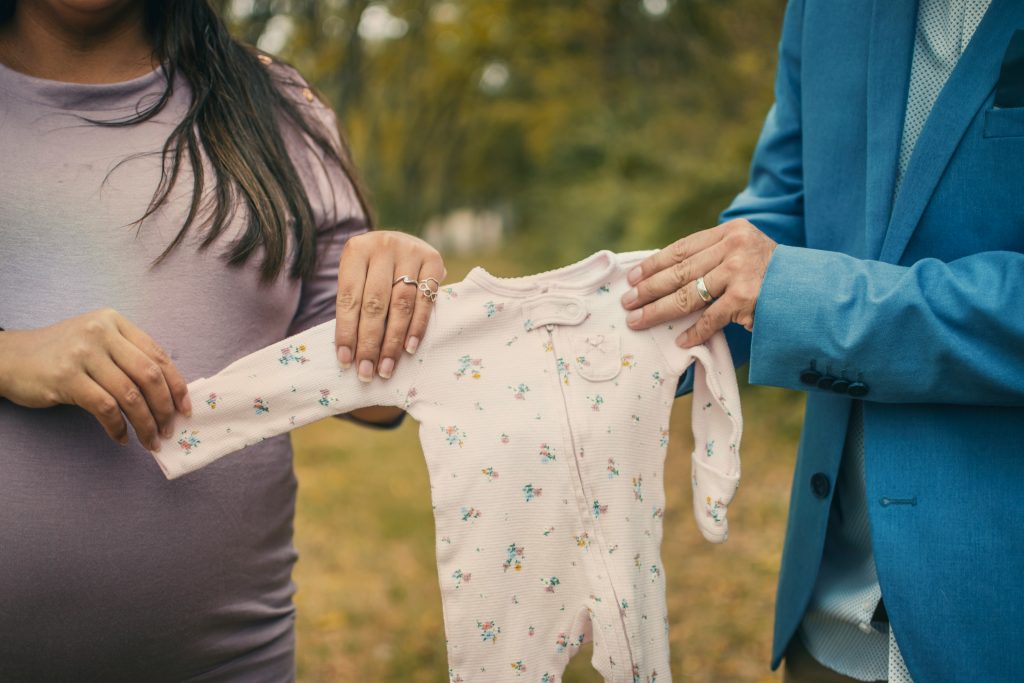
If you’re still expecting, start now. Folding those sweet little outfits before your baby arrives is more than just preparation; it’s a chance to breathe and imagine the moments ahead. By the time your baby is in your arms, you’ll be so glad you don’t have to wrestle with piles of clothes on top of everything else.
When I was pregnant with my first, I remember carefully folding onesies, pajamas, and socks, thinking it was just busywork. But after she was born, those neatly stacked piles became a lifesaver. Everything was ready, and it gave me one less thing to stress about.
Think of it as giving your future self a gift. Organizing baby clothes early means more time later to enjoy cuddles, coos, and those precious newborn smells.
Tip 2: Understand That Size Labels Can Be Deceptive
Here’s a little truth I wish someone had told me sooner: baby clothes sizes aren’t always accurate. What one brand calls “0–3 months” might fit your baby for two weeks or two months, depending on their growth. My first baby wore newborn clothes for months, while my second skipped them completely and went straight into three-month sizes.
The best approach? Don’t rely too much on the tag. Organize by how clothes actually fit. Group outfits that look about the same size, and don’t panic if your baby doesn’t follow the age guidelines. Babies grow at their own pace, and so long as your little one is comfortable, that’s what matters.
Tip 3: Embrace the Power of Compartmentalization
Think of drawers and shelves like little neighborhoods—each item has its home. Onesies in one drawer, pajamas in another, socks in a small basket. Drawer dividers are wonderful for this. Instead of digging through a tangled mess of clothes when your baby spits up (again), you’ll know exactly where the clean backup outfit is.
It’s a small change that makes a big difference, and one of the easiest nursery organization hacks you can try.
Strategies for Sorting and Storing Baby Wear
Once the basics are in place, you can move into simple systems that will keep everything flowing. Remember: the goal isn’t perfection. The goal is to make your life just a little bit easier day by day.
Tip 4: Sort Apparel by Size and Season
Organize clothes by what fits now and what’s coming next. Keep the current season and size up front, and store the rest away. For instance, no need to have winter coats filling up the dresser in July. Pack them neatly into a labeled bin and pull them out when the weather turns.
This not only saves space but also makes transitions smoother when your baby inevitably hits that next growth spurt.
Tip 5: Prioritize Accessibility for Frequently Used Items
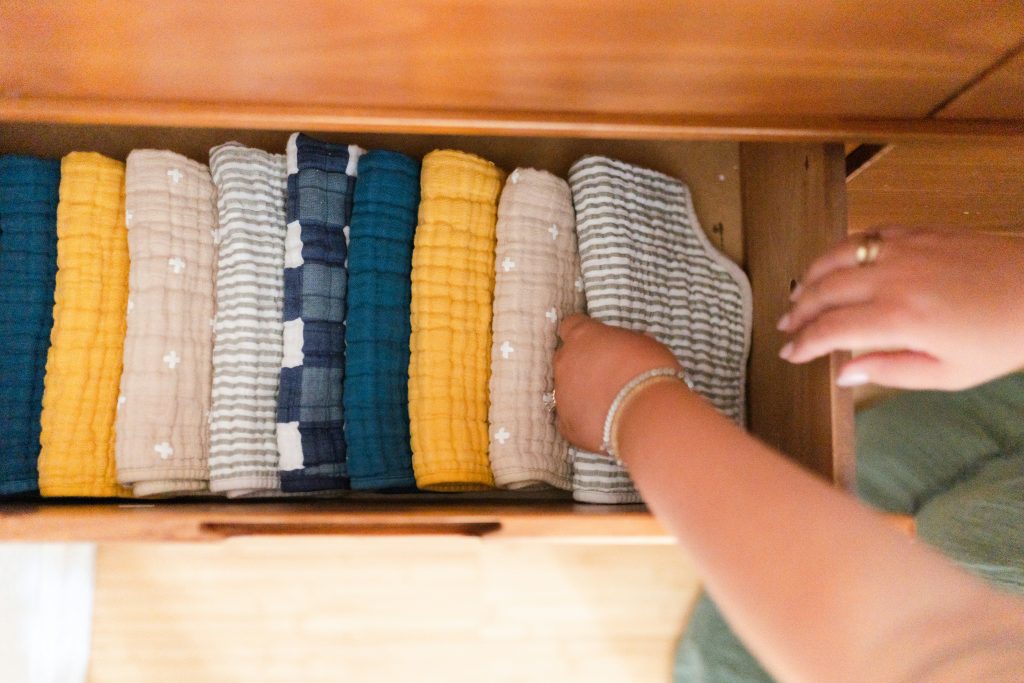
There’s nothing worse than fumbling for a fresh onesie at 3 a.m. Put your most frequently used items, such as bodysuits, burp cloths, pajamas, and diapers, front and center. Keep them in the top drawer or within arm’s reach of your changing station.
It might feel small, but when you’re juggling a sleepy baby, every second counts.
Tip 6: Employ Clear Storage Bins and Labels for Ease of Identification
Clear bins and labels are lifesavers. I like to think of them as little windows into sanity. You can instantly see what’s inside without opening each box, and labels mean anyone helping out—grandparents, babysitters—can find things easily too.
For example, I keep a bin labeled “Next Size Up.” Whenever my baby outgrows something, I know exactly where to look for the next batch of clothes. It saves so much time.
Closet Organization Hacks for Infant Garments
Closets don’t have to be fancy to be functional. With a few clever hacks, you can make every inch work harder for you.
Tip 7: Install Adjustable Closet Rods to Maximize Vertical Space
Babies don’t need a lot of hanging space, which means you can double it. Adjustable rods let you hang tiny outfits on two levels instead of one. Tops and onesies go on the bottom, while coats or sleep sacks can stay on the top.
As your baby grows, you can shift things around; it’s a system that grows with your child.
Tip 8: Make Use of Door Organizers for Additional Storage
Don’t forget about the back of the closet door! Hanging organizers are perfect for shoes, hats, or little accessories that never seem to stay put. It’s like adding bonus storage without taking up any extra room.
Tip 9: Introduce Dividers to Keep Clothes Neatly Sectioned
Drawer and closet dividers are magic. Instead of one big drawer filled with chaos, you’ll have neat little sections: pajamas here, socks there, bibs in their own spot. No more digging around in a panic.
Innovative Ideas for Tiny Accessories and Shoes
Tiny accessories are adorable, but they also disappear faster than you can blink. These little tricks will help keep them under control.
Tip 10: Organize Baby Shoes with Creative Hanging Solutions
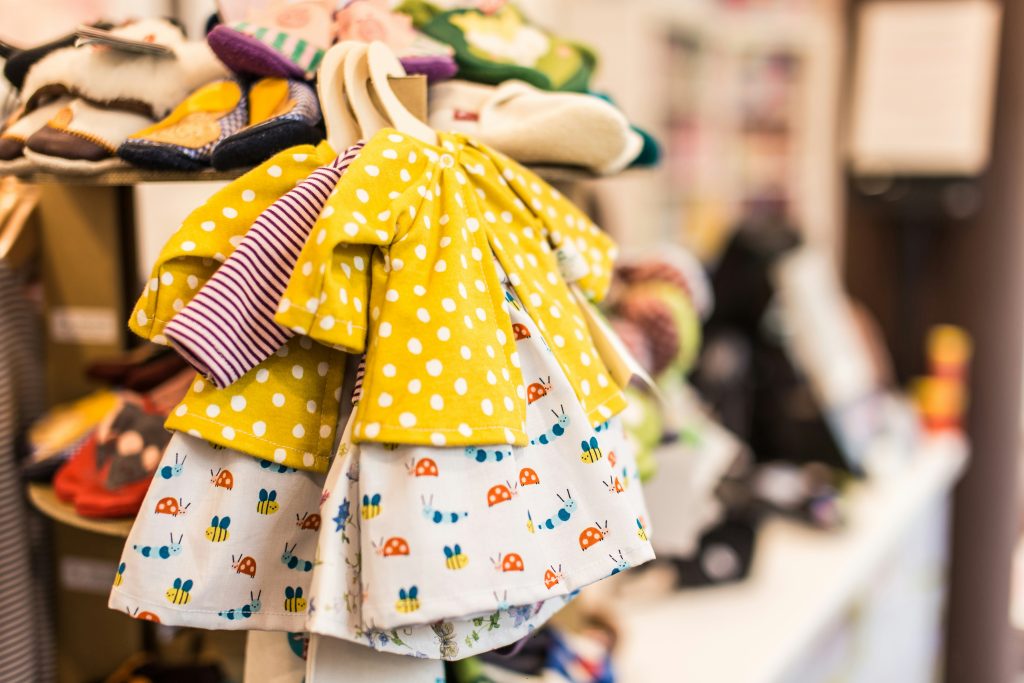
Baby shoes are small but mighty when it comes to creating clutter. Hanging them on hooks or little rails not only keeps them organized but also turns them into a cute display. Honestly, baby shoes are so adorable that they deserve to be shown off.
Tip 11: Keep Socks and Small Items in Mesh Laundry Bags
Laundry day doesn’t have to mean losing socks. Pop all those socks, mittens, and hair bows into mesh laundry bags before tossing them in the wash. It saves time and keeps delicate pieces from getting damaged.
Maintaining Order As Baby Grows
The only constant in parenthood is change, and your baby’s wardrobe is no exception. Staying on top of the clutter keeps things from spiraling.
Tip 12: Regularly Purge Outgrown Clothing to Maintain Clutter-Free Drawers
Every couple of months, take 15 minutes to go through your baby’s drawers. Pull out anything too small and decide whether to donate, pass down, or store for another child. Keeping only what fits makes life so much easier.
Tip 13: Set Up a ‘Next Size Up’ Bin for Growth Spurts
Babies grow fast—sometimes overnight. Having a bin of “next size up” clothes ready to go means you’re always prepared. When your baby suddenly grows out of their current size, you can just grab the next bin and swap.
Tip 14: Update Organizational Systems to Match Baby’s Developmental Stages
As your little one grows, their clothing needs shift. Newborns need lots of sleepwear, while toddlers need play clothes and shoes. Updating your system every few months ensures your nursery continues to work for you instead of against you.
Making Daily Baby Outfit Selection a Breeze
Outfit selection doesn’t need to be another stress point in your day. A few small tweaks can make mornings smoother.
Tip 15: Establish a Routine with a ‘Next Day’ Outfit Trolley
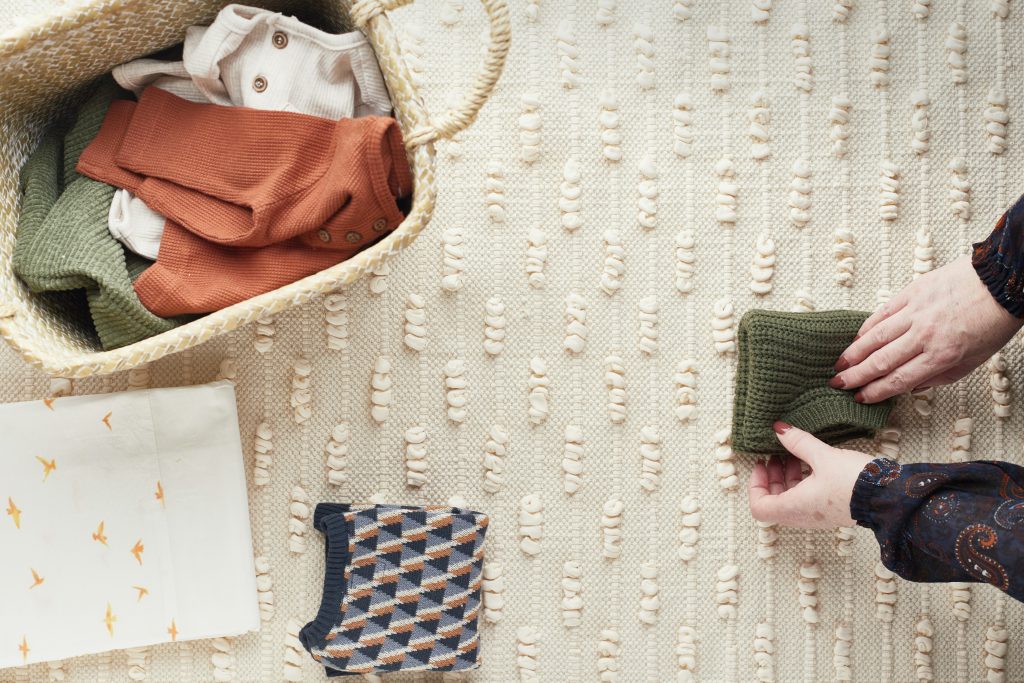
Prepare tomorrow’s outfit the night before. Lay out everything—from socks to bibs—on a small trolley or in a designated basket. In the morning, you’ll have everything ready to go. No rushing, no scrambling, just a calm start to the day.
Comparison of Baby Clothes Storage Solutions
| Storage Solution | Best For | Key Features |
| Clear Storage Bins | Storing out-of-season or extra clothes | Transparent, stackable, easy to label, keeps clothes visible and accessible |
| Drawer Dividers | Organizing small items (socks, bibs) | Adjustable, separates different categories, can fit into any drawer |
| Hanging Closet Organizers | Storing shoes, accessories, or outfits | Multiple compartments, maximizes vertical space, keeps closet tidy |
| Mesh Laundry Bags | Keeping small items in the wash | Keeps socks and mittens together, prevents damage during wash, durable fabric |
Frequently Asked Questions About Baby Clothes Organization
How often should I reorganize my baby’s clothes?
It’s best to check in every 2–3 months, or sooner if your baby has just had a growth spurt. Babies grow so quickly that sizes can change almost overnight. A quick tidy-up every few months keeps the nursery functional.
2. Should I wash baby clothes before organizing them?
Yes, always! New baby clothes can have dyes or chemicals from the factory. A gentle wash with baby-safe detergent keeps them soft and safe for newborn skin.
3. How many outfits does a newborn need?
Most parents find that 7–10 bodysuits, 5–7 sleepers, and a few extras for outings are enough. Babies often need multiple outfit changes a day, so it’s better to have slightly more than you think.
4. What’s the best way to store baby clothes that don’t fit yet?
Use labeled bins or boxes like “0–3 months” or “3–6 months.” This makes it easy to rotate clothes as your baby grows.
5. How do I keep track of socks, mittens, and tiny items?
Mesh laundry bags prevent socks from disappearing in the wash. For storage, small bins or drawer dividers work wonders.
6. What should I do with outgrown baby clothes?
Donate, pass down, or store for future use. Many parents keep one or two outfits as keepsakes.
7. Do I need expensive organizers?
Not at all. Drawer dividers and bins are helpful, but even repurposed boxes or baskets work fine. The goal is practicality, not perfection.
8. How do I keep the nursery from getting messy again?
Consistency is key. Put clothes back in their spots after laundry, and do a 10-minute tidy-up each week. And remember it’s okay if things get messy sometimes. Parenting isn’t about perfection.
Wrapping Up: A Neat Nursery for a Happy Home
Organizing your baby’s clothes might feel overwhelming at first, but it’s really about small steps that add up. You don’t need perfection; you just need a system that works for your family. When your nursery is tidy, your mind feels calmer, and your routines run smoothly.
At the end of the day, an organized nursery isn’t about impressing anyone; it’s about giving yourself a little breathing space in the middle of new-parent chaos. With everything in its place, you’ll spend less time searching and more time soaking in those sweet baby moments.
And remember, there’s no one “right” way to do this. Adjust your system as your baby grows, and don’t be afraid to let go of what no longer works. The goal is simple: a peaceful, functional space where you and your little one can thrive.
Because in the end, parenting isn’t about perfect closets or spotless drawers. It’s about cuddles, milestones, and making memories in a space that feels like home.

I’m Lily, mom of two and the person behind Little Ones World. I’ve been through the tough nights, the endless laundry, and the trial-and-error of baby gear. I write about what I’ve learned so far—what helped, what didn’t, and what might make things smoother for you.